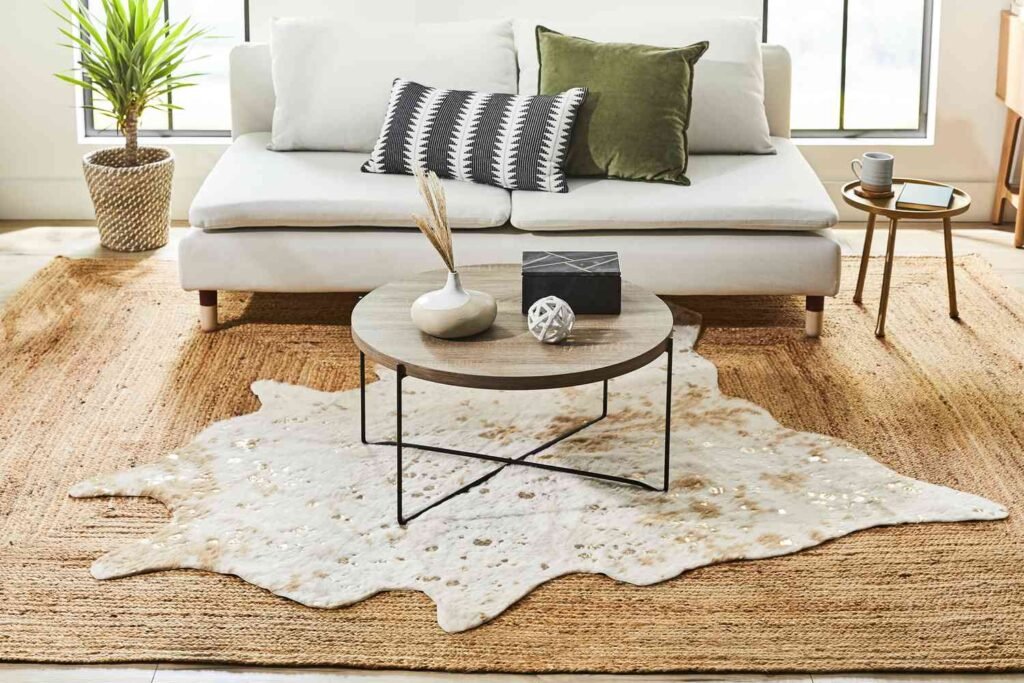
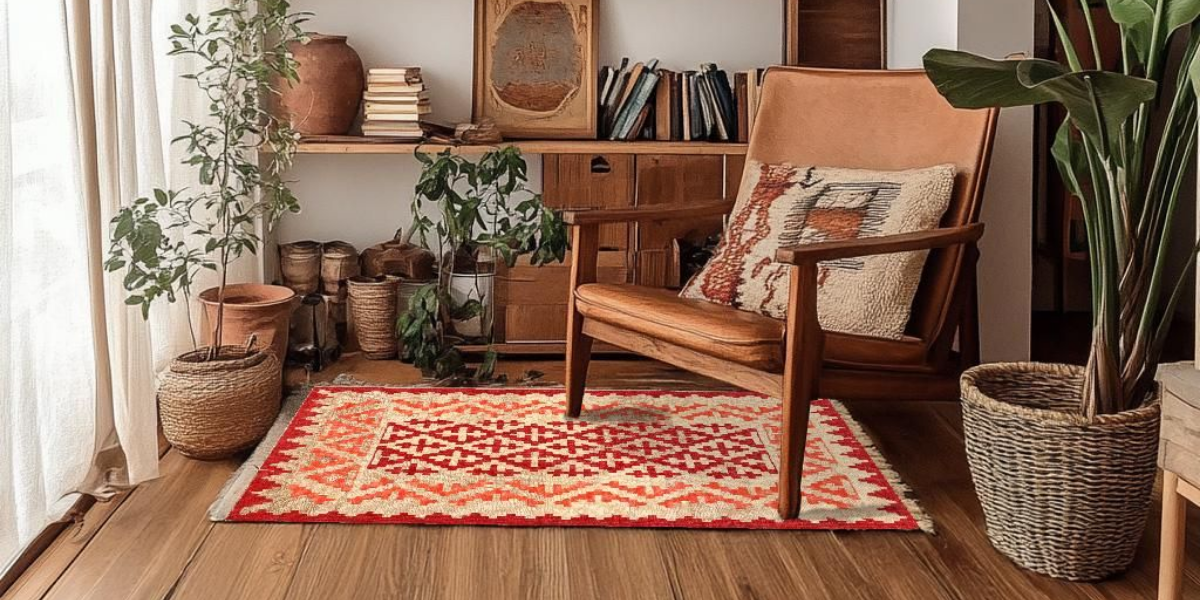
Natural handmade materials are becoming essential in modern interior design, especially for homeowners who want spaces that feel warm, authentic, and lived in. Many modern interiors look visually perfect but can sometimes feel cold or overly staged. When a space relies too heavily on mass-produced furniture and synthetic materials, it may lack the warmth and personality that make a home feel truly lived in. Designers often solve this problem by introducing natural textures, handcrafted pieces, and materials that bring depth and authenticity. A home begins to feel more alive when natural elements, cultural craftsmanship, and layered textures are thoughtfully integrated into the space. Handwoven kilim rugs are one of the easiest ways to introduce this balance, combining heritage craftsmanship with natural materials that instantly add warmth and character.
Why Do Modern Homes Sometimes Feel Artificial?
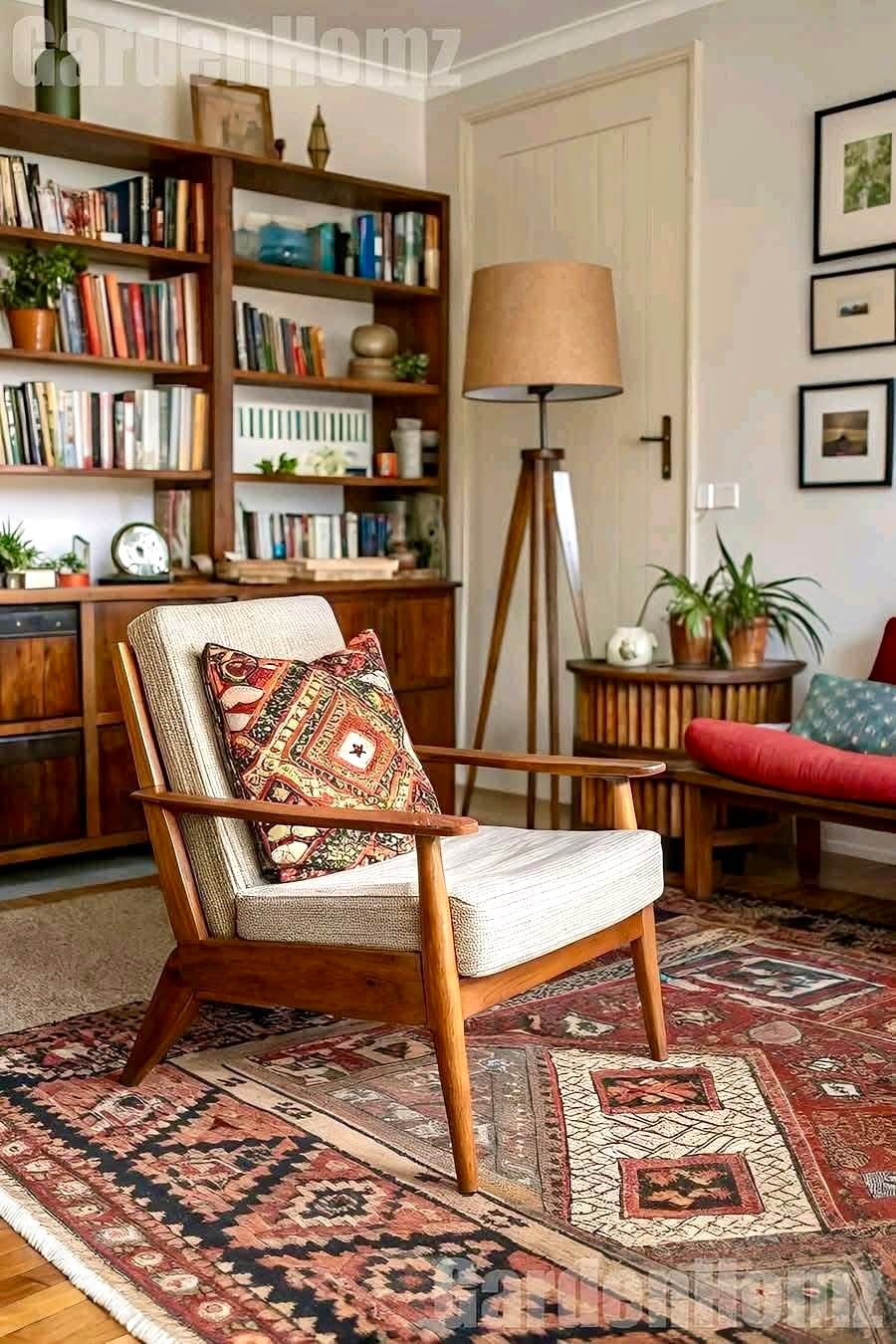
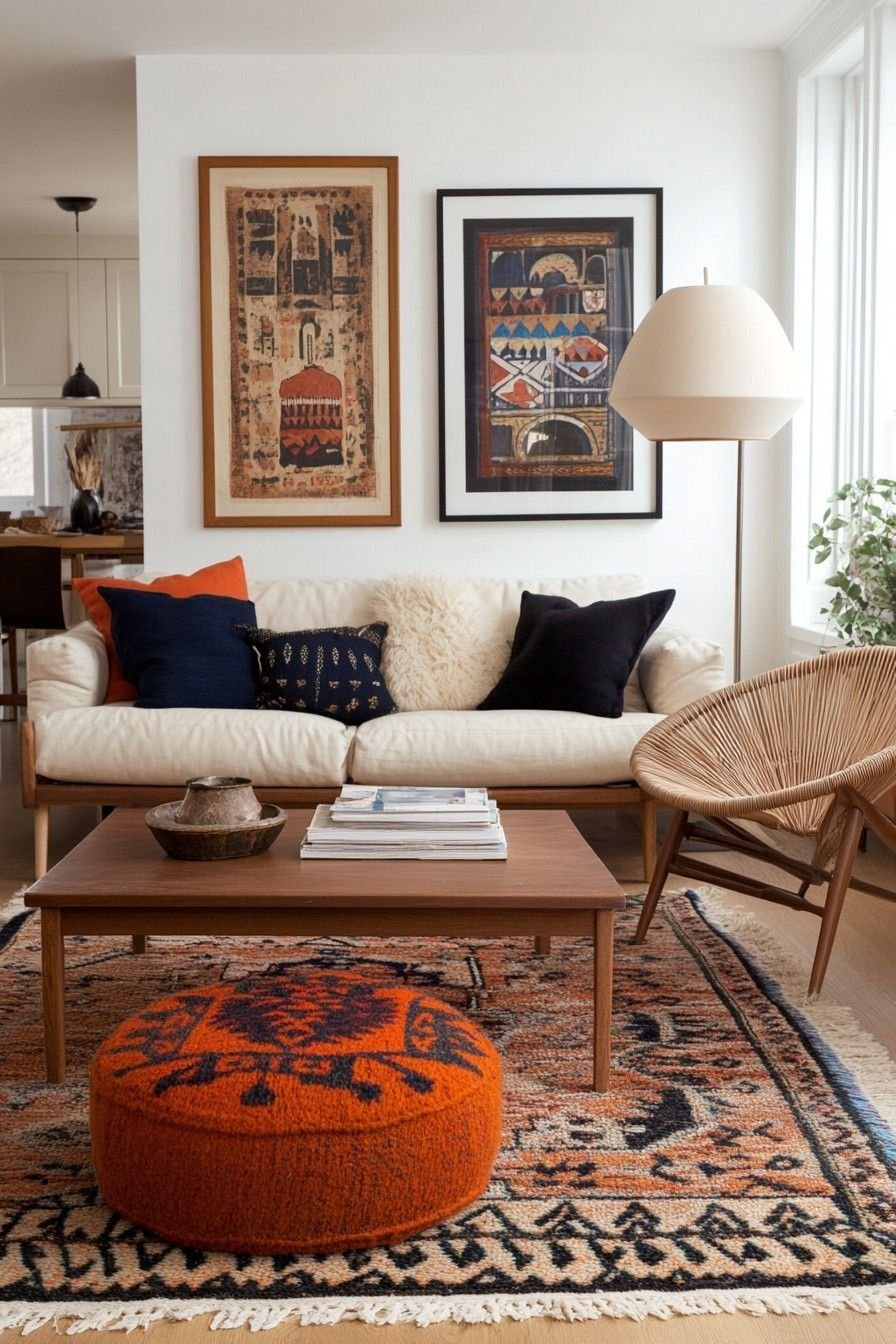
- Overuse of Mass-Produced Decor: Many modern interiors rely heavily on factory-made furniture and accessories. When every element is perfectly identical, rooms can feel generic and lack the individuality that gives a home its personality.
- Too Many Synthetic Materials: Plastic, polyester fabrics, and glossy surfaces dominate many contemporary designs. Without natural materials to balance them, these finishes can make a space feel cold or overly polished.
- Minimal Texture and Layering: Spaces that only include smooth surfaces often feel flat. A lack of rugs, textiles, and handcrafted items removes the depth that makes interiors visually engaging.
- Uniform Color Palettes: While neutral palettes can be elegant, overly uniform color schemes sometimes create interiors that feel staged rather than naturally lived in.
How To Make A Home Feel More Lived In?
- Introduce Natural Textiles: Rugs, cushions, and throws made from natural fibers add softness and warmth to interiors. These materials help create a more relaxed and welcoming environment.
- Layer Different Materials: Combining wood, woven textiles, ceramics, and fabrics adds visual depth. Layered materials prevent a space from feeling too minimal or sterile.
- Choose Handmade Pieces: Handcrafted decor introduces subtle imperfections that make a space feel authentic. These pieces often carry character that mass-produced items cannot replicate.
- Add Meaningful Decorative Elements: Artisan decor, vintage objects, and cultural pieces create a sense of story within a room. This makes the space feel more personal and connected to real life.
Why Are Kilim Rugs a Natural Way to Add Life to a Room?
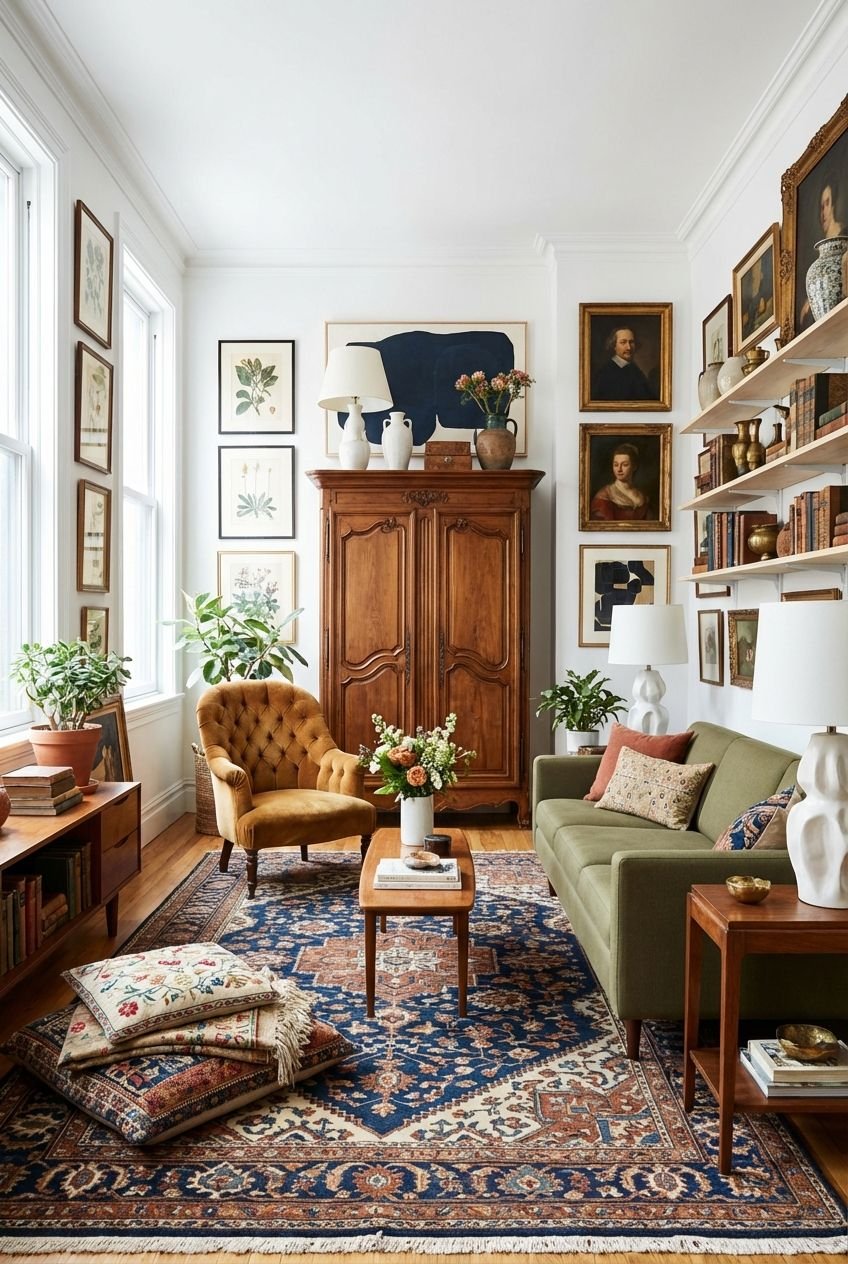
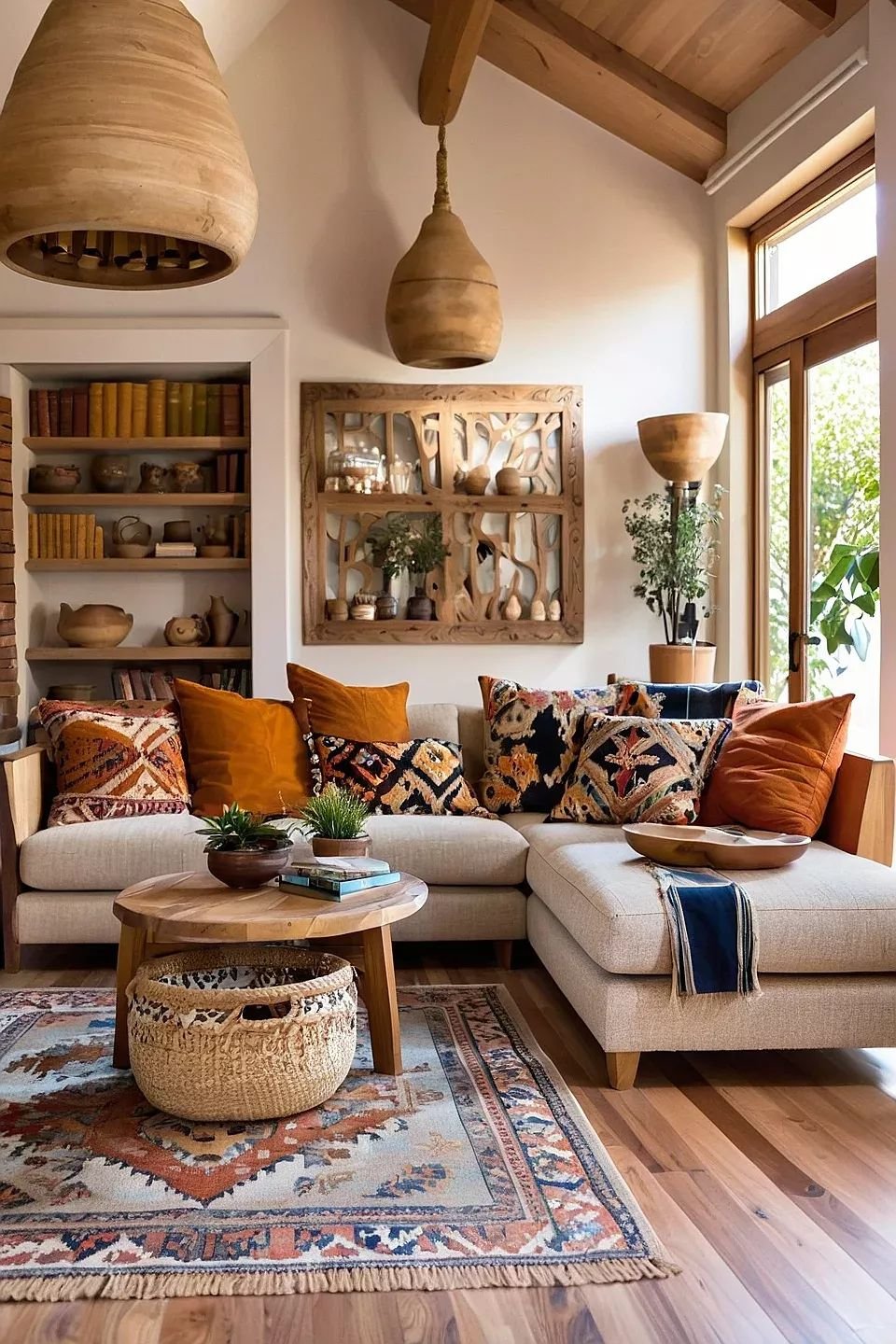
- Handwoven Craftsmanship: Kilim rugs are traditionally woven by artisans using time-honored techniques. This visible craftsmanship adds authenticity and character to interiors.
- Natural Fiber Texture: Most kilim rugs are made from natural materials such as wool. The texture of these fibers introduces warmth and balance to rooms filled with modern furniture.
- Distinctive Patterns and Motifs: Geometric patterns and traditional motifs give kilim rugs a strong visual identity. These designs add personality while still complementing many interior styles.
- Versatility in Interior Design: Kilim rugs work well in both contemporary and traditional homes. Their flat-weave structure and natural tones make them easy to integrate into different spaces.
What Are the Advantages of Using Natural Materials?
- Authentic Texture and Visual Depth: Natural materials such as wool, cotton, wood, and woven fibers introduce organic textures that add depth to a room. These textures prevent interiors from looking overly smooth or artificial.
- Timeless Aesthetic Appeal: Natural materials rarely go out of style. Their neutral tones and organic appearance allow them to blend effortlessly with both modern and traditional interiors.
- Improved Indoor Comfort: Materials derived from nature often feel softer and more comfortable within a living space. They help create interiors that feel warm, balanced, and welcoming.
- Durability and Long-Term Use: High-quality natural materials tend to be durable and resilient. When properly maintained, they can remain functional and visually appealing for many years.
- Aging With Character: Unlike synthetic materials that may deteriorate quickly, natural materials often develop a patina over time. This aging process can add personality and charm to a home.
- Connection to Craftsmanship and Tradition: Many natural materials are used in handmade decor and traditional crafts. Incorporating them into a home brings a sense of heritage and authenticity to the design.
- Environmentally Conscious Choice: Natural materials are often renewable and biodegradable, making them a more environmentally responsible option compared to many synthetic alternatives.
Can Cultural Craftsmanship Make Interiors Feel More Personal?
Yes, cultural craftsmanship adds a deeper sense of identity to a home. Handmade decor often reflects the traditions and techniques of the artisans who create it. Kilim rugs, for example, frequently feature motifs that carry symbolic meaning within weaving cultures. Including these handcrafted pieces allows a room to tell a story and connect modern interiors with historical craft traditions.
How Do Designers Use Kilim Rugs to Create Warmer Living Spaces?
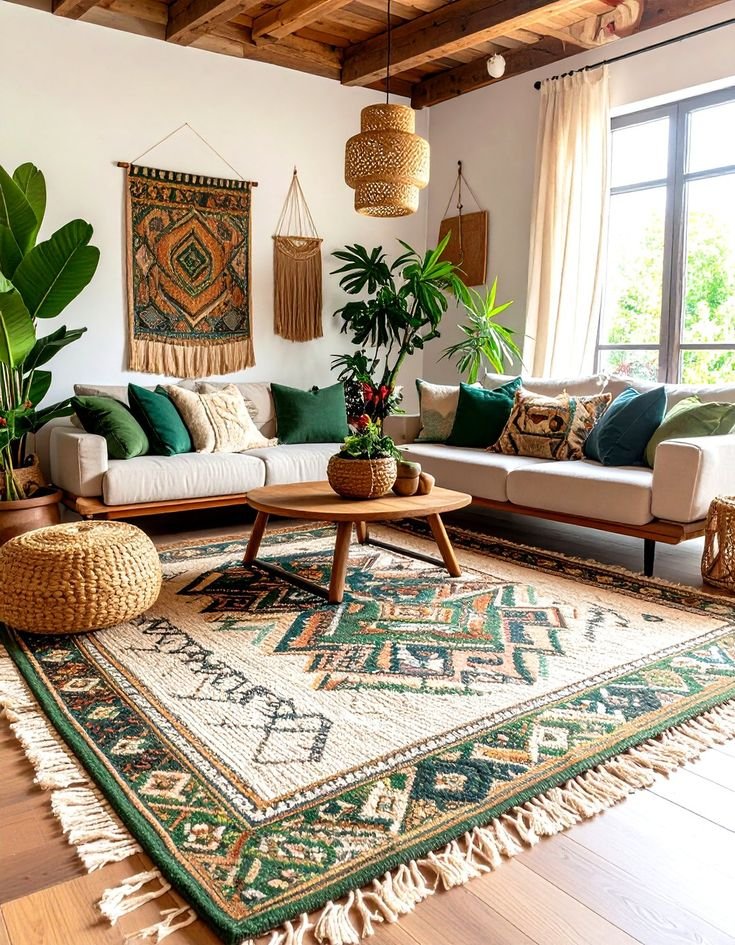
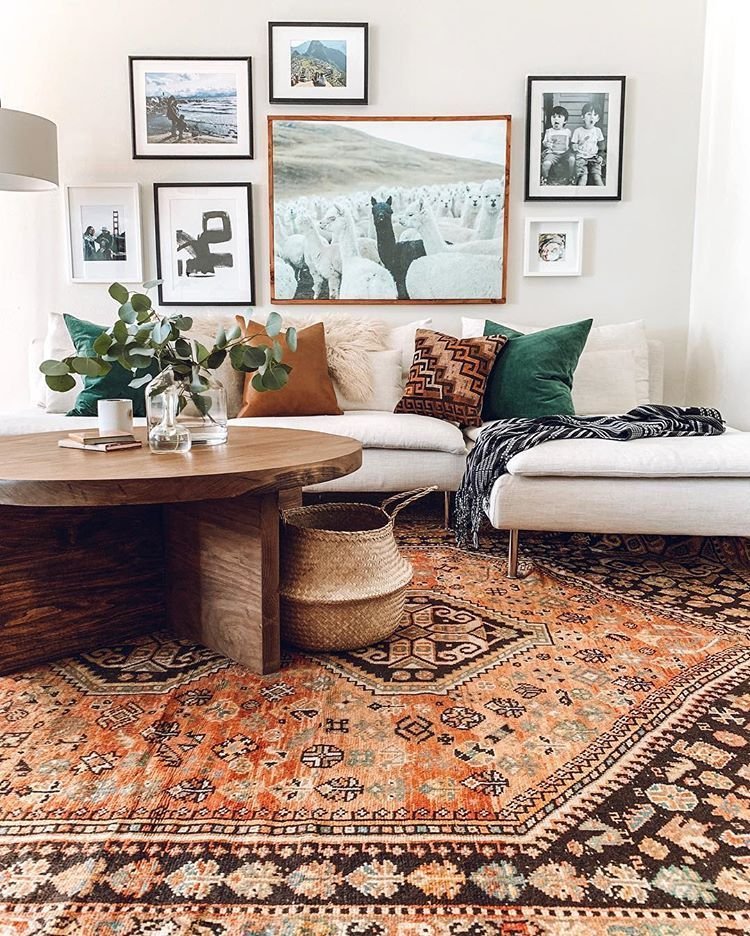
- Anchoring the Seating Area: Designers often place a kilim rug beneath sofas and chairs so that the furniture visually connects. This helps define the living space and creates a balanced layout that feels intentional and cohesive.
- Introducing Natural Texture: Kilim rugs are handwoven and slightly textured, which adds warmth to interiors dominated by smooth materials like glass, metal, or polished wood. This texture makes the room feel softer and more inviting.
- Balancing Modern Furniture: In contemporary living rooms with minimal furniture and clean lines, a kilim rug adds character and warmth. Designers use it to soften modern interiors and make them feel less rigid.
- Layering With Other Textiles: Designers frequently combine kilim rugs with cushions, throws, and woven fabrics. This layering of textiles builds visual depth and creates a comfortable atmosphere.
- Adding Color Without Overwhelming the Room: Kilim rugs often feature earthy tones and geometric patterns. Designers use these colors to introduce visual interest while still maintaining a natural and balanced palette.
- Defining Spaces in Open Layouts: In open-plan homes, kilim rugs help visually separate the living area from dining or kitchen spaces. This creates structure within the layout while keeping the design cohesive.
- Complementing Wooden and Natural Furniture: Kilim rugs work particularly well with wooden tables, rattan chairs, and other natural materials. Designers use this combination to create interiors that feel grounded and organic.
- Creating a Layered and Lived-In Look: Instead of relying on perfectly matched furniture sets, designers add kilim rugs to introduce variation in pattern and texture. This approach makes the room feel more relaxed and naturally lived in.
- Highlighting Cultural Craftsmanship: Kilim rugs often feature traditional patterns that reflect cultural weaving techniques. Designers use them as statement pieces that add heritage and storytelling to the space.
- Softening Hard Flooring: In rooms with tile, stone, or hardwood floors, kilim rugs help soften the environment both visually and physically. They make the living space feel warmer and more comfortable for everyday use.
Wrap Up
Creating a home that feels warm and alive often comes down to choosing materials that bring texture, history, and authenticity into the space. Natural fibers, handmade decor, and traditional craftsmanship help transform interiors from staged environments into welcoming living spaces. Kilim rugs play a key role in this process by adding depth, cultural character, and warmth to a room. If you’re looking to bring more authenticity into your home, explore our collection of handcrafted kilim rugs, kilim pillows, and artisan pieces designed to enrich your living space with timeless craftsmanship.