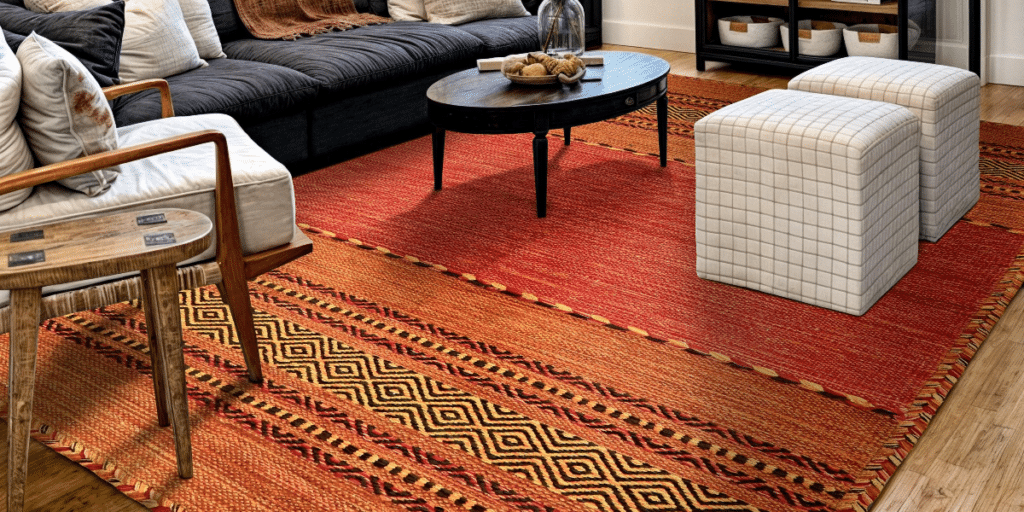
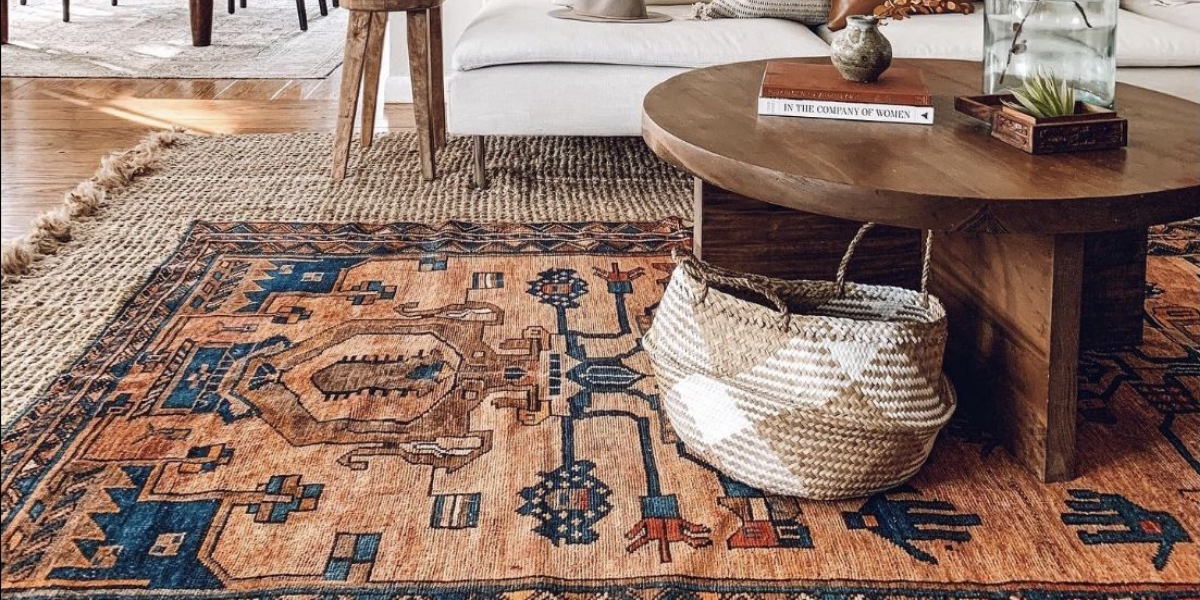
Kilim rugs are not designed to look brand new forever, and that’s exactly what makes them special. Unlike mass-produced rugs that deteriorate with use, kilim rugs develop character, softness, and visual depth as they age. Their flatweave construction, natural fibers, and traditional weaving techniques allow them to mature gracefully rather than wear out. A well-made kilim rug doesn’t lose its beauty with time; it gains it. Understanding how and why kilim rugs age beautifully helps you appreciate their long-term value and recognize quality as it evolves naturally.
What Is the Lifespan of a Kilim Rug?
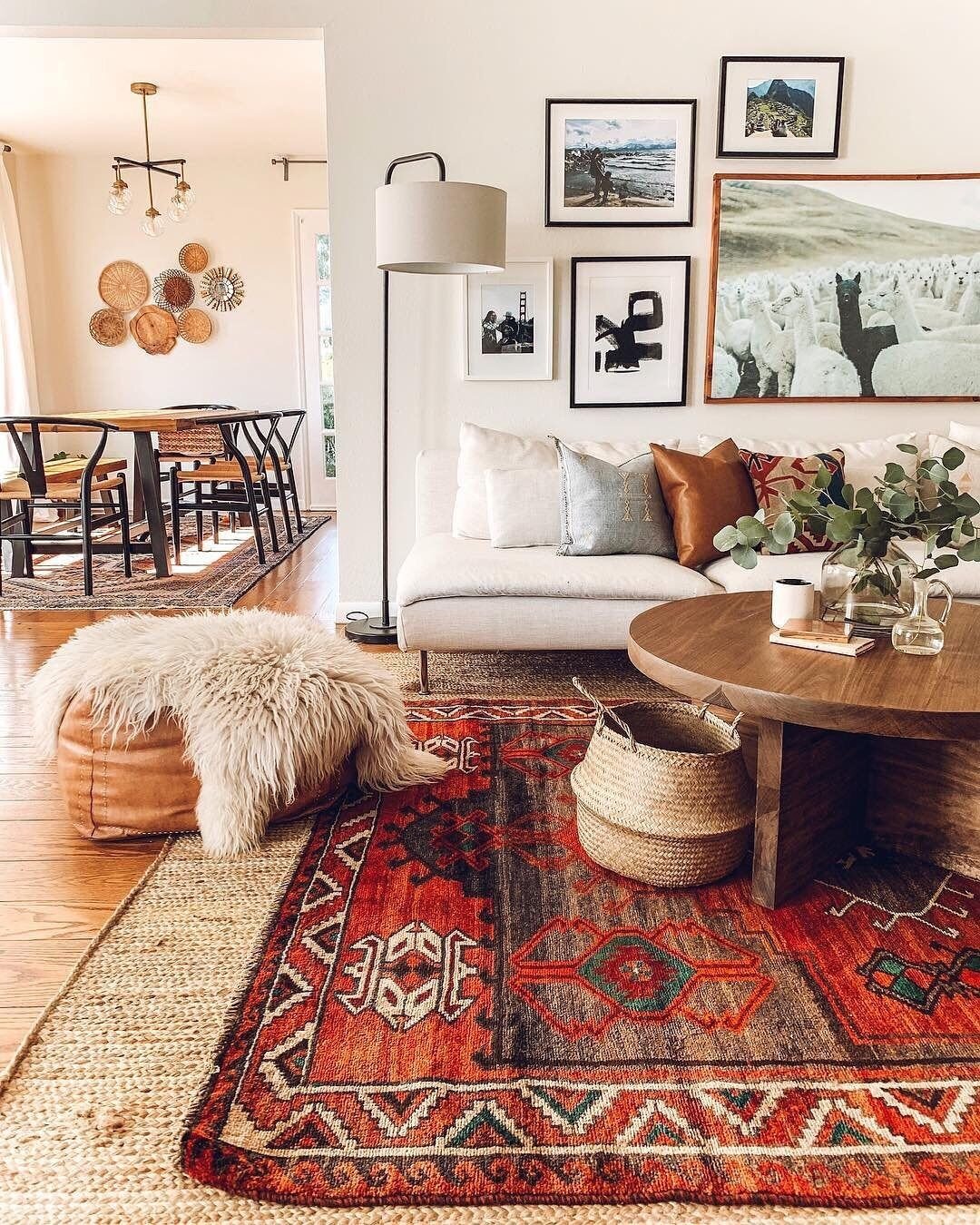
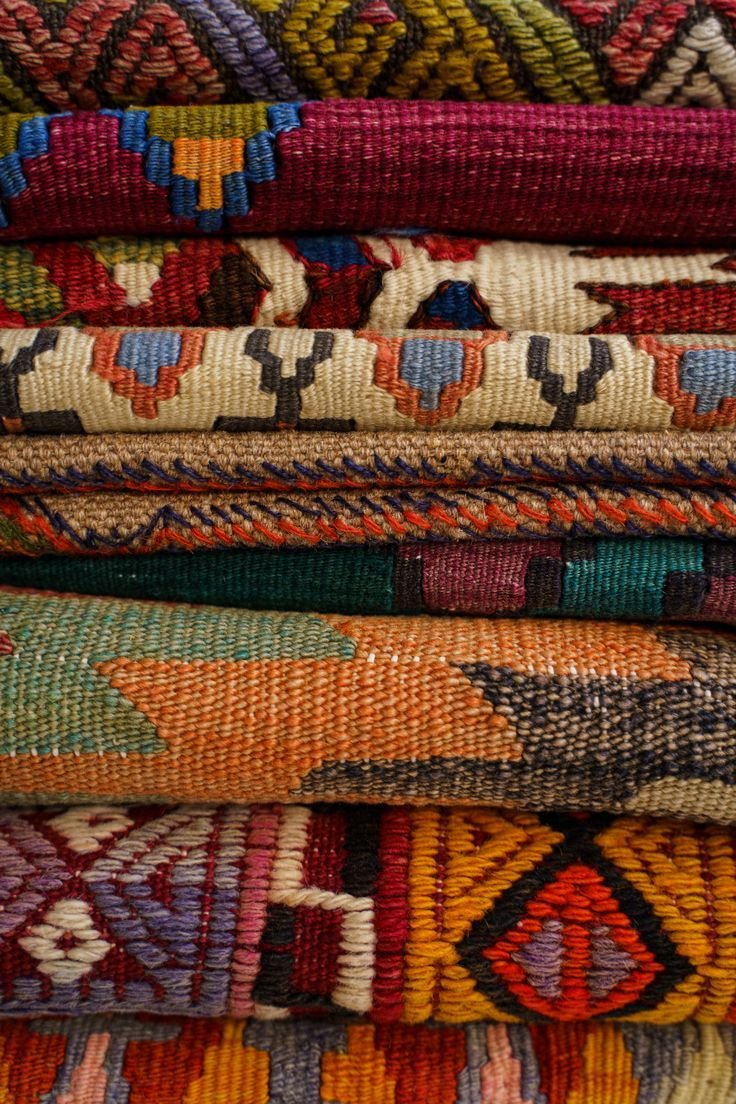
In typical household conditions, especially in active living spaces, a kilim rug generally maintains its best appearance for around 2 to 4 years with regular use. During this period, the rug develops softness, subtle surface wear, and a more relaxed texture without losing its overall structure. Factors such as foot traffic, placement, sunlight exposure, and cleaning habits strongly influence how long a kilim rug stays in peak condition. While kilim rugs are durable by design, they are made from natural fibers, which means their lifespan is closely tied to daily use rather than permanence.
How to Tell the Age of Your Kilim Rug?
Determining a kilim’s age involves examining physical and visual indicators rather than relying on a single factor.
- Fiber Softness and Flexibility: Older kilims feel noticeably softer and more pliable due to decades of fiber relaxation. Newer rugs tend to feel stiffer and less responsive.
- Dye Behavior and Abrash: Natural dyes show abrash, subtle variations within the same color field. This irregularity develops over time and is a strong indicator of age and authenticity.
- Wear Distribution: Even wear across the entire rug suggests long-term use. Uneven thinning often indicates newer production or lower-quality weaving.
- Handwoven Irregularities and Repairs: Small inconsistencies, hand-stitched repairs, or reinforced edges are common in older kilims and reflect prolonged use rather than flaws.
What Makes a Rug Vintage?
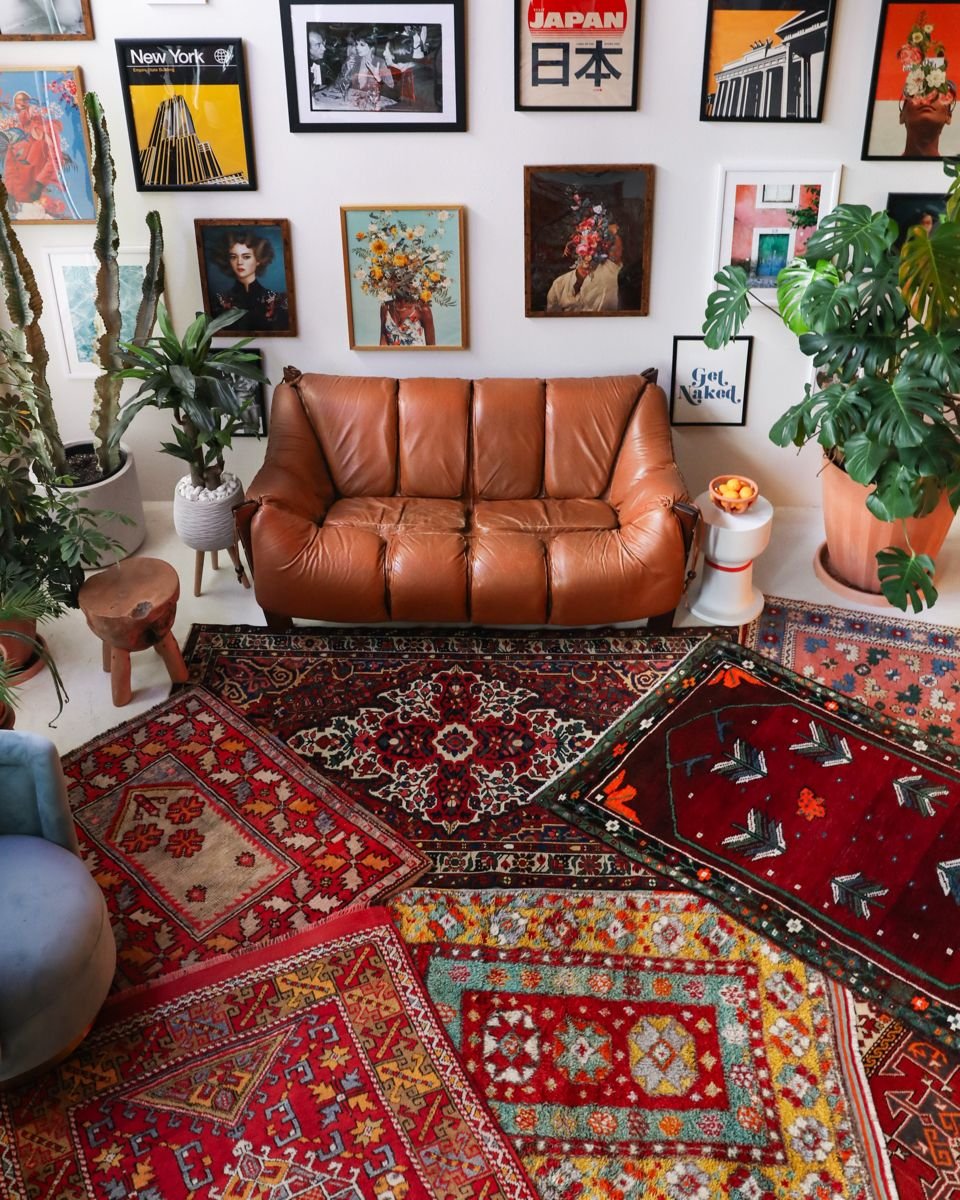
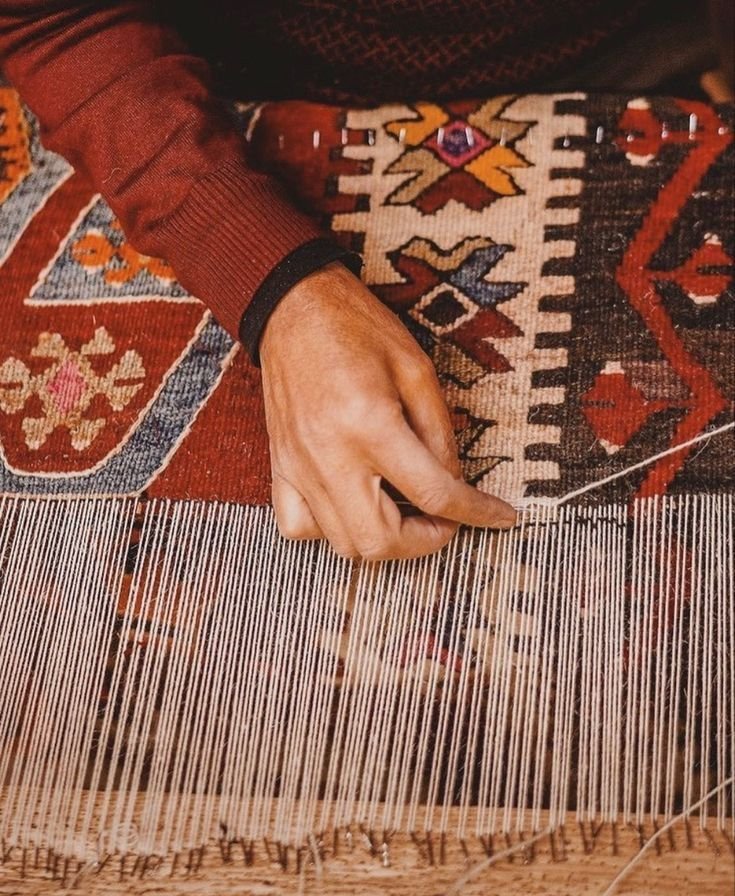
A rug is generally considered vintage when it shows natural signs of age combined with cultural and material integrity. This includes softened fibers, subtle color variation, and a patina that develops through time and use rather than artificial distressing. Vintage kilim rugs such as Turkish kilim rugs are valued not because they are old alone, but because their aging enhances their aesthetic. The wear tells a story, reflecting craftsmanship, history, and authenticity rather than damage or decline.
Do Kilim Rugs Fade Over Time?
Yes, kilim rugs can experience gentle fading over time, but this process is often seen as desirable rather than negative. Natural dyes used in traditional kilims fade gradually and unevenly, creating depth and character instead of flat discoloration. This type of fading differs significantly from synthetic rugs, where color loss often appears harsh and uneven. In kilim rugs, fading tends to soften bold tones and highlight the weave, contributing to a more refined and aged appearance.
How Old Does a Rug Have to Be to Be Vintage?
Most rugs are considered vintage when they are at least 20 to 30 years old, though this can vary depending on region and craftsmanship. For kilim rugs, age is evaluated alongside condition, dye quality, and weaving technique. A kilim does not need to be centuries old to be appreciated as vintage. Even relatively younger kilims can be considered vintage if they display authentic aging and maintain structural integrity.
What Are the Key Characteristics of Aging Kilim Rugs?
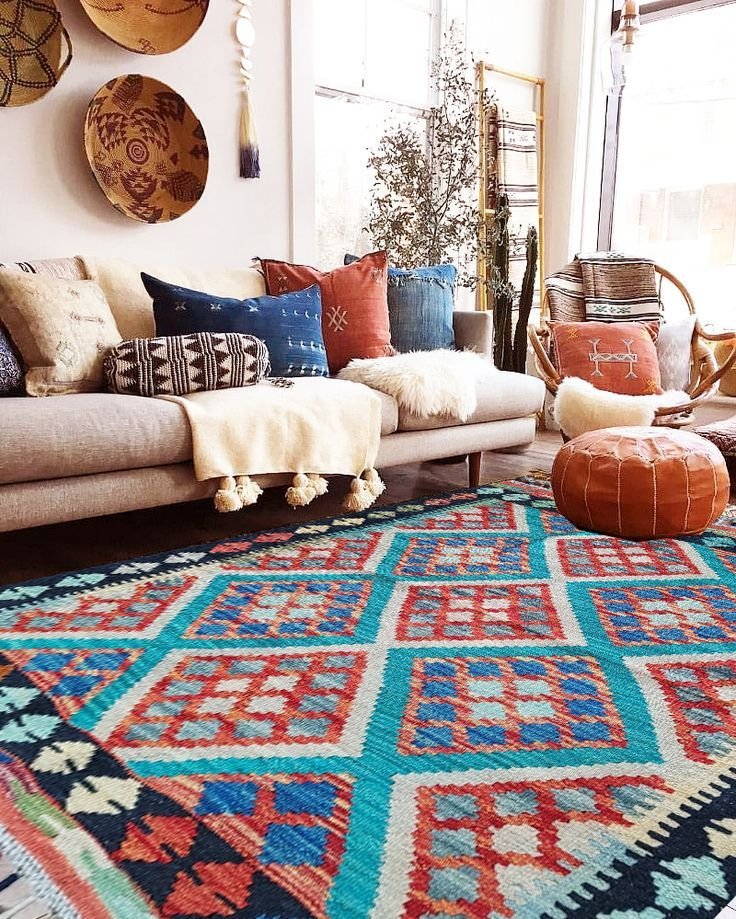
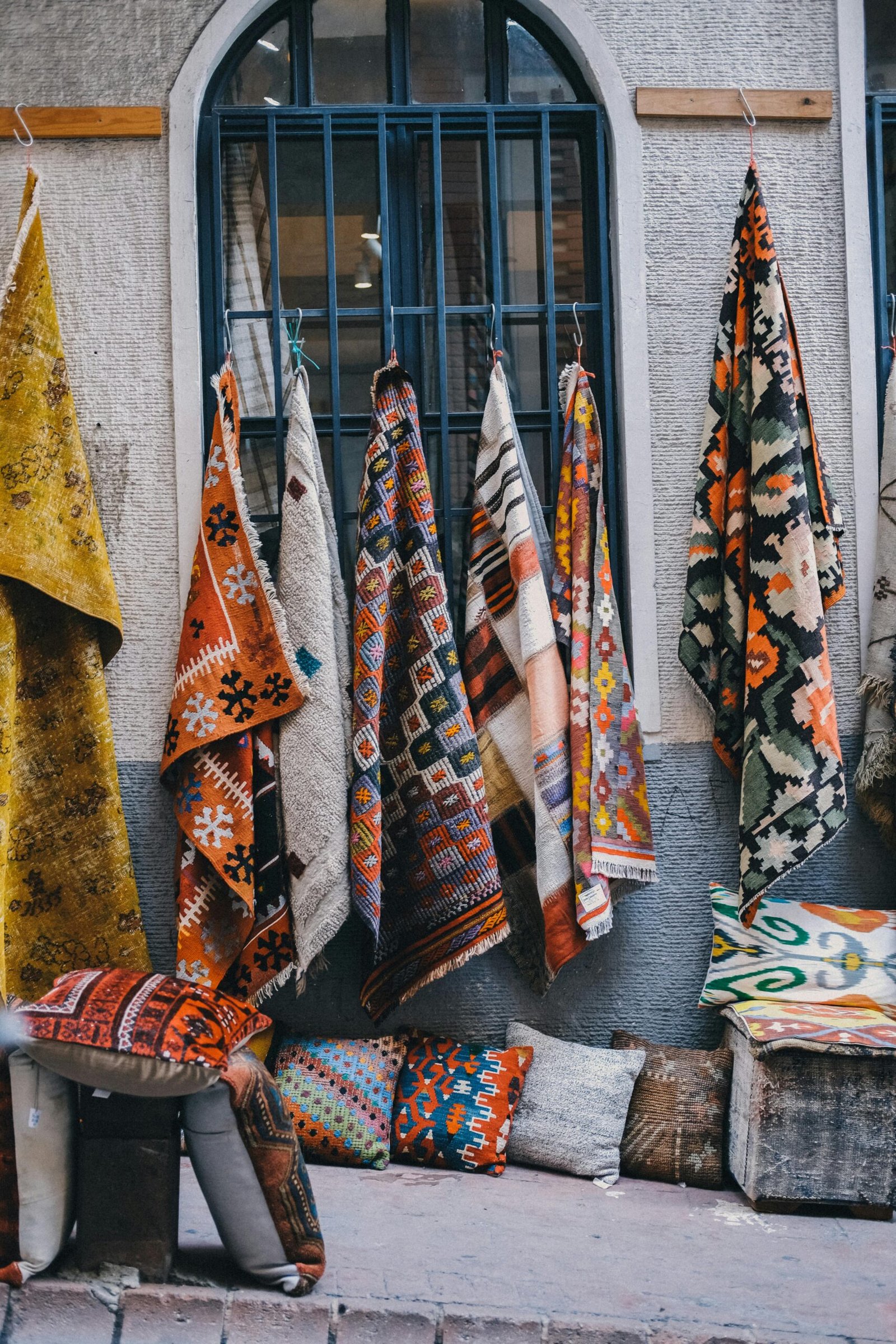
Authentic aging in kilim rugs shows specific, recognizable characteristics that signal quality and value.
- Patina and Controlled Wear: Aging kilims develop a smooth, matte surface with a natural sheen. This patina is the result of long-term use and fiber compression, not damage. It is highly valued by collectors.
- Gentle Fading with Color Consistency: Colors in aging kilims fade gradually and evenly. While tones may soften, the overall color balance remains intact. This consistency indicates high-quality natural dyes rather than synthetic pigments.
- Maintained Structural Integrity: Despite age, well-made kilims retain their shape, tension, and weave alignment. Edges remain stable, and the rug lies flat, showing that aging has not compromised construction.
- Value Retention Through Authentic Wear: Unlike modern rugs that lose value as they wear, aging kilims often retain or increase their value. Even wear, patina, and dye maturation contribute to their desirability in the market.
- Durability Without Fiber Breakdown: Fibers in aging kilims remain strong and flexible rather than brittle. This indicates proper wool quality and traditional weaving techniques that support long-term durability.
How Kilim Rugs Age Beautifully Over Time?
Kilim rugs age beautifully because of how they are constructed and the materials used. Their aging is not accidental; it is the natural result of traditional weaving, natural fibers, and dye processes working together over time.
- Natural Fiber Wear Creates Patina: Kilim rugs are woven from wool or wool blends that soften gradually with use. As fibers compress and relax over decades, they develop a patina—a gentle sheen and smoothness that enhances texture rather than degrading it. This patina is a hallmark of authentic, well-aged kilims.
- Natural Dyes Mature Instead of Breaking Down: Traditional kilims use plant- and mineral-based dyes that respond slowly to light and air. Instead of fading harshly, these dyes mellow, creating depth and tonal richness. This controlled aging is one of the main reasons kilims look better with time.
- Flatweave Construction Prevents Structural Loss: Because kilims are flatwoven and have no pile, they do not suffer from pile crushing or fiber loss like knotted rugs. The weave remains intact, allowing the rug to age evenly without losing its original structure.
- Balanced Wear Enhances Visual Harmony: High-quality kilims wear uniformly across their surface. This even wear softens contrast and sharp edges in patterns, giving the rug a harmonious, lived-in appearance rather than a worn-out look.
Does Sunlight Fade the Kilim Rug?
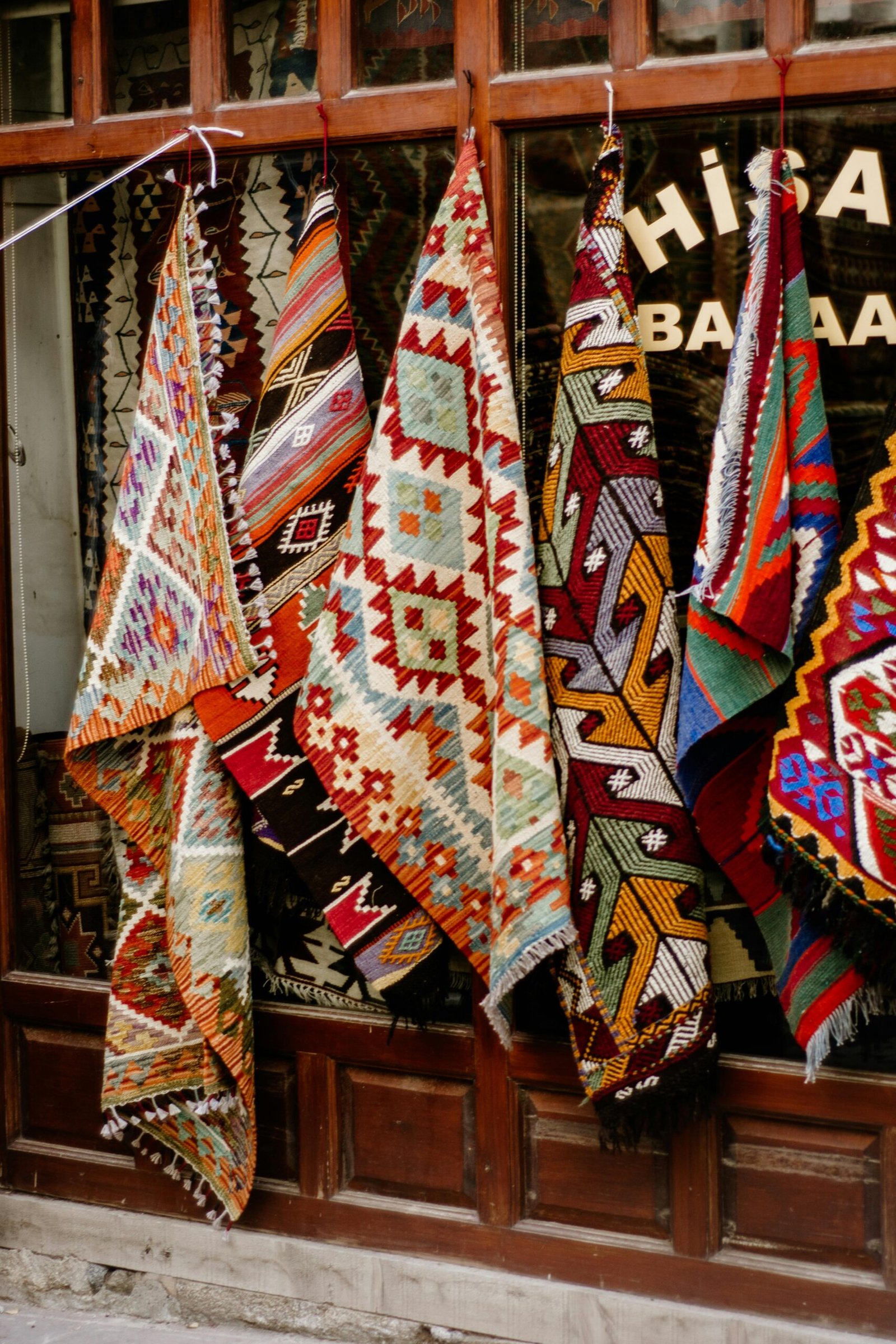
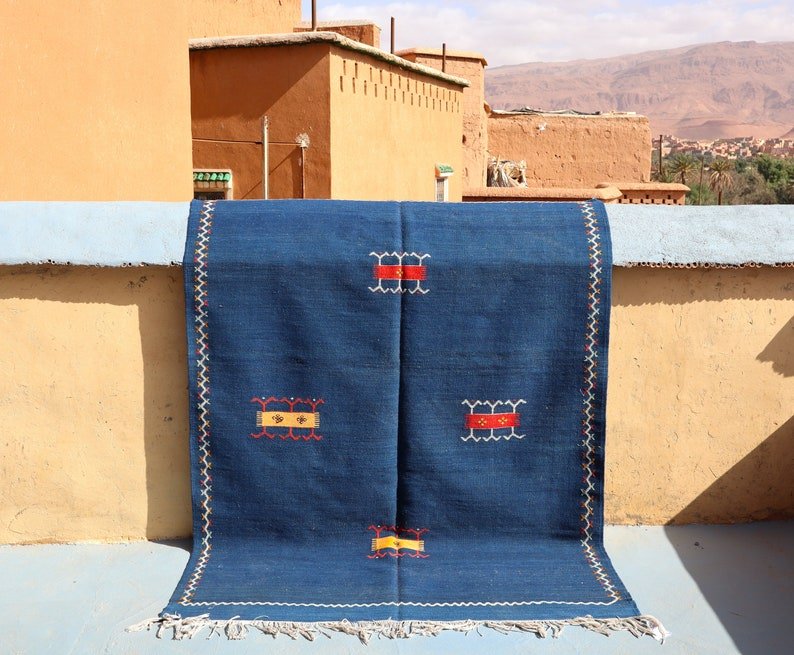
Sunlight can affect kilim rugs over time, especially prolonged direct exposure. Natural dyes are sensitive to UV light, which can accelerate fading in certain areas. However, when exposure is controlled, sunlight contributes to the soft, even aging that many collectors appreciate. Rotating your rug periodically helps ensure balanced fading and prevents uneven discoloration.
How to Properly Maintain a Kilim Rug for Graceful Aging?
Proper maintenance ensures that aging enhances a kilim rug rather than shortening its lifespan.
- Rotate Regularly to Ensure Even Wear: Rotating the rug every 6–12 months prevents concentrated wear and uneven fading, supporting balanced aging.
- Control Sunlight Exposure: Indirect light is preferable. Long-term direct sunlight accelerates dye fading, while controlled exposure allows natural color maturation.
- Use Gentle Cleaning Methods Only: Regular light vacuuming without rotating brushes removes dust while preserving fiber strength. Avoid harsh chemicals or excessive moisture.
- Protect Structural Edges: Using rug pads and avoiding heavy dragging prevents edge stress, which is critical for maintaining long-term structural integrity.
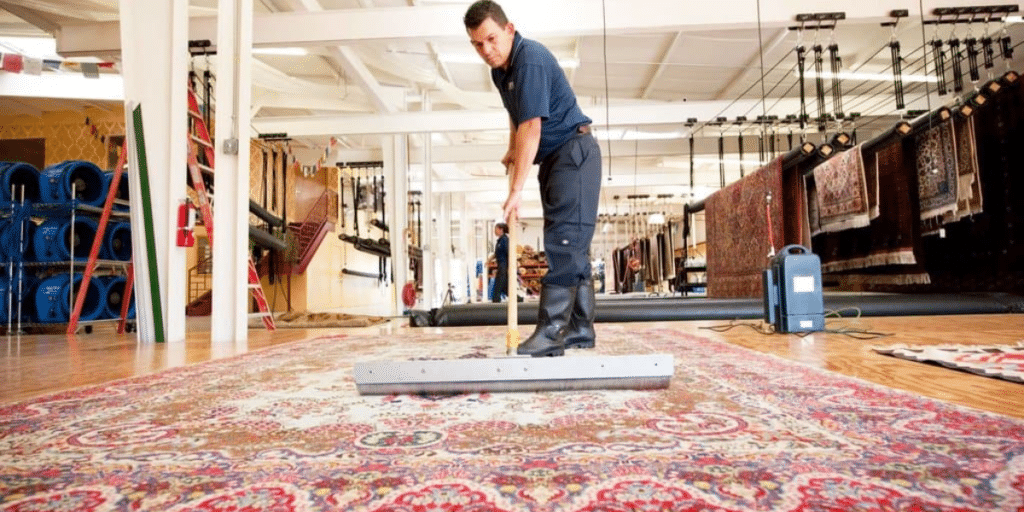
- Opt for Professional Flatweave Cleaning When Needed: Occasional professional cleaning designed for kilims helps preserve fibers and dyes without disrupting the aging process.
Wrap Up

Kilim rugs collection
Explore a diverse collection of rugs crafted for style and durability. From kilims to modern designs, find your perfect rug at Kilim Provenance.
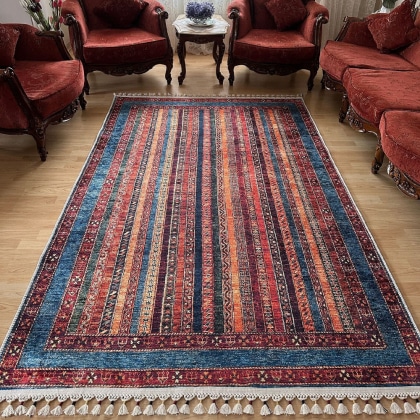
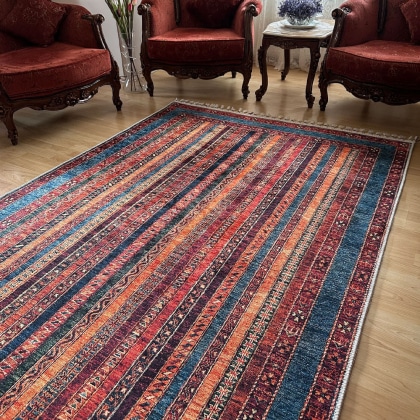
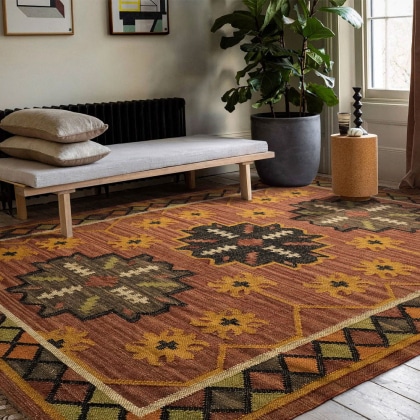

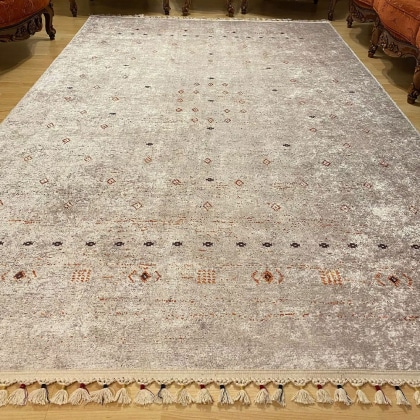
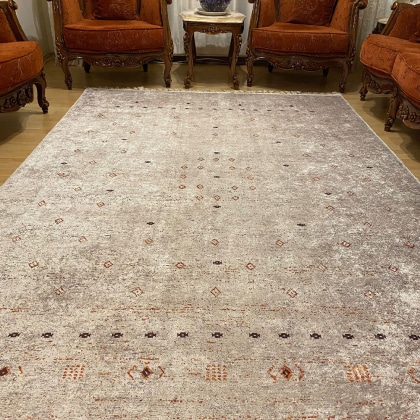
Kilim rugs are valued not only for their craftsmanship, but for the way they evolve with time. Natural fibers, traditional dyes, and flatweave construction allow them to develop patina, soften gracefully, and retain their structural integrity for decades. Rather than losing appeal, well-made kilim rugs gain character and value as they age. To experience this timeless beauty in your own space, explore our full range of authentic kilim rugs, along with handcrafted kilim ottomans and poufs, each designed to bring lasting texture, history, and warmth into your home.