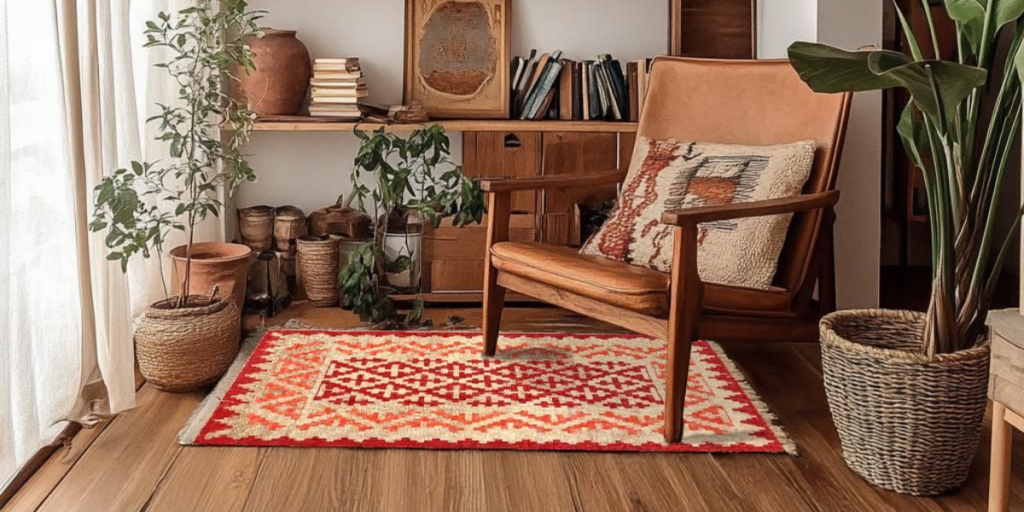

Kilim pillows are known for their rich patterns, woven texture, and handcrafted character, which makes them a striking addition to sofas, beds, and accent chairs. Yes, you can wash kilim pillows, but traditional kilim pillow covers should never be put in a washing machine. The better approach is to clean them carefully and only when necessary. Everyday maintenance can usually be handled with light dust removal and prompt attention to spills, while deeper cleaning should be done with more control. Proper drying is just as important because excess moisture can affect the fibres, colours, and shape of the cover. With the right cleaning routine, kilim pillows can stay fresh and preserve their distinctive woven patterns for years.
Are Kilim Pillows Washable?


Yes, kilim pillow covers can be cleaned, but traditional woven kilim pillows should generally not be machine washed. Their wool fibres, handwoven construction, and sometimes natural dyes are more sensitive to water, heat, and strong agitation than ordinary cushion covers. Machine washing can cause the fabric to shrink, lose its shape, or develop colour bleeding.
For routine care, gentle vacuuming and spot cleaning are usually the safest options. If the cover needs a deeper clean, careful hand cleaning with cool or lukewarm water and a mild wool-safe detergent is preferable, provided the care instructions allow it. Vintage, handmade, or particularly delicate kilim pillow covers are better left to a professional cleaner experienced with woven wool textiles. A product such as the Anatolian style kilim pillow should therefore be treated as a decorative woven textile rather than an ordinary machine-washable cushion. Gentle care helps preserve the texture, colours, and structure of the kilim fabric for longer.
How to Clean Your Kilim Cushion Covers
Cleaning kilim cushion covers requires a gentle approach so the woven fibres, colours, and shape are not damaged.
- Remove the Cushion Insert First: Take the inner filling out before cleaning the cover. This makes the fabric easier to handle and prevents moisture from becoming trapped inside the pillow.
- Shake Off Loose Dust: Take the cover outdoors and shake it gently to remove crumbs, dust, and surface debris before applying any moisture.
- Vacuum on Low Suction: Use a soft upholstery attachment or low-suction setting to lift dirt from the weave without pulling or loosening the fibres.
- Check the Care Instructions: Handmade and vintage kilim covers can vary in fibre content and dyes, so always follow the specific cleaning guidance provided with the pillow.
- Test for Colour Bleeding: Dab a hidden area with a slightly damp white cloth. If colour transfers noticeably, avoid washing the entire cover and consider professional cleaning.
- Spot Clean Minor Marks: For everyday spills or small stains, use a clean cloth with a small amount of cool water and mild cleaner rather than soaking the whole cover.
- Hand Wash Only When Necessary: If deeper cleaning is required and the care instructions allow it, gently wash the cover by hand using cool or lukewarm water.
- Avoid Scrubbing or Twisting: Do not rub the woven surface aggressively or wring the cover after washing, as this can stretch and distort the kilim weave.
- Rinse Carefully: Remove any cleaning solution with clean water while handling the cover as little as possible.
- Dry the Cover Completely: Press out moisture with towels and allow the cover to air dry fully before putting the cushion insert back inside.
Can You Put Kilim Pillow Covers in the Washing Machine?

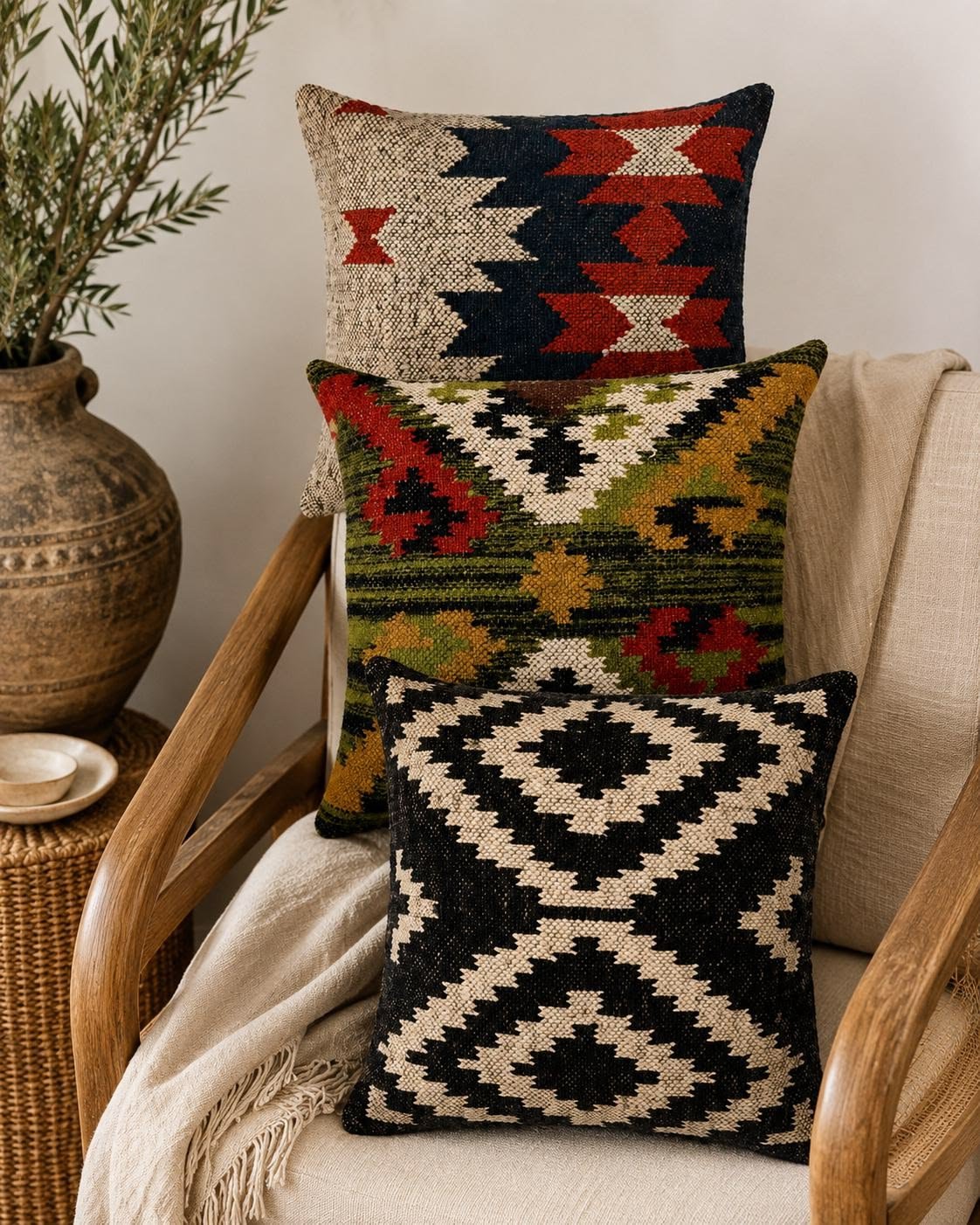
In most cases, it is safer not to put traditional kilim pillow covers in the washing machine, especially if they are made from wool, vintage kilim textile, or handwoven natural fibers. A washing machine exposes the cover to repeated movement, spinning, and water saturation. That combination can cause the weave to lose shape, wool fibers to shrink, decorative details to become damaged, or colors to bleed into one another.
Some modern kilim-style cushion covers may be machine washable if the manufacturer specifically says so, and our range of washable kilim style rugs shows how construction and materials make all the difference. Never assume that one washable kilim pillow means all kilim covers can be treated the same way. If there is no care label or you are unsure about the material, hand cleaning is generally the more cautious option. Delicate, antique, or valuable covers are better taken to a professional cleaner experienced with wool and handmade textiles.
How to Wash Kilim Pillow Covers by Hand?
Hand washing gives you much more control over water, movement, and cleaning products. Follow these steps when the care instructions allow the cover to be washed:
- Remove the Pillow Insert: Take out the inner cushion before cleaning. Washing only the cover prevents the filling from holding excess moisture and makes drying much easier.
- Remove Surface Dust: Shake the cover outdoors or vacuum it gently before adding water. Removing loose dirt first prevents it from turning into muddy residue during washing.
- Test the Colors: Dampen a clean white cloth and press it lightly against a hidden part of the cover. If color transfers noticeably, avoid full washing and consider professional cleaning.
- Use Cool or Lukewarm Water: Hot water can encourage wool to shrink or cause dyes to run. Keep the water temperature mild and consistent throughout the process.
- Choose a Gentle Cleaner: Use a small amount of mild detergent suitable for delicate or wool textiles. Avoid bleach, strong stain removers, and harsh household cleaners.
- Clean Without Scrubbing: Gently press or move the cover through the water rather than twisting, rubbing, or aggressively scrubbing the weave.
- Rinse Carefully: Remove detergent using clean water while keeping handling to a minimum. Soap residue left in the fibers can attract dirt and affect the feel of the textile.
- Remove Excess Moisture Gently: Press the cover between clean towels to absorb water. Do not wring or twist the fabric because this can distort its shape.
How to Remove Stains from a Kilim Pillow Cover?
Stains are easier to remove when treated quickly, but kilim fabric should always be handled gently.
- Blot the Spill Immediately: Use a clean, absorbent cloth to lift as much liquid as possible. Press gently instead of rubbing the stain into the fibres.
- Work From the Outside In: Start around the edge of the stain and move gradually toward the centre. This can help prevent the mark from spreading.
- Use Cool Water: Avoid hot water, particularly on wool and naturally dyed kilim textiles, as heat can affect the fibres and colours.
- Choose a Mild Cleaner: Apply a small amount of gentle, fibre-appropriate cleaner to a cloth rather than pouring it directly onto the pillow cover.
- Test the Cleaner First: Try the solution on a hidden section to check that it does not cause fading or colour transfer.
- Dab Instead of Scrubbing: Repeated gentle blotting is safer than rubbing the surface, which may disturb the flatwoven texture.
- Use as Little Moisture as Possible: Saturating the cover can make it harder to dry and may increase the risk of colour bleeding or distortion.
- Treat Stubborn Stains Professionally: If an old, oily, or strongly coloured stain does not respond to gentle spot cleaning, avoid repeated treatments and consider a textile-cleaning specialist.
How Should You Dry Kilim Pillow Covers After Washing?
Kilim pillow covers should be air-dried slowly and completely, preferably while lying flat. Correct drying helps protect the shape of the cover and reduces the risk of shrinking, discoloration, mildew, or stiffness. After washing, place the cover between clean towels and press gently to remove excess moisture. Do not twist or wring it. Lay the cover flat on a clean, dry surface in a well-ventilated area. Reshape the corners and edges while it is still damp so the cover dries in its proper form. Keep it away from radiators, hair dryers, tumble dryers, and other direct heat sources. Excessive heat can affect wool fibers and may cause uneven shrinking. Strong direct sunlight should also be avoided for prolonged periods because it may fade some colors. Gentle airflow is more important than heat. Turn the cover over if necessary so both sides dry evenly.
What Are the Common Mistakes When Cleaning Kilim Pillows?

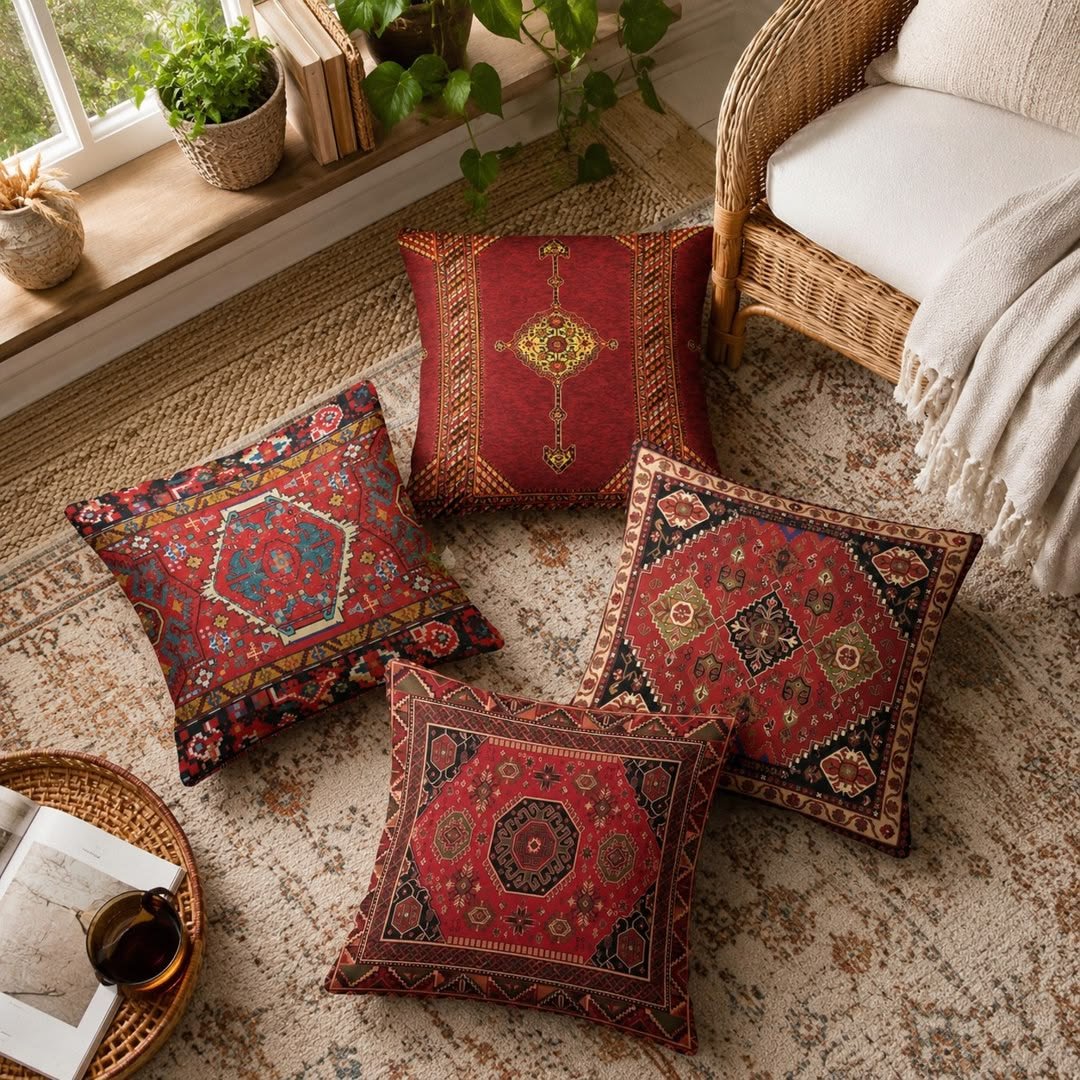
Cleaning problems often happen because kilim textiles are treated like ordinary washable cushion covers, so it helps to understand how to clean a kilim rug before tackling the pillows made from the same fabric. Avoid these common mistakes:
- Using Hot Water: High temperatures can shrink wool fibers and increase the chance of colors bleeding. Cool or lukewarm water is generally safer.
- Putting Every Kilim Cover in the Washing Machine: Machine agitation can distort the weave or damage delicate fibers. Only machine wash when the care instructions specifically allow it.
- Scrubbing Stains Aggressively: Hard rubbing can spread stains and damage the surface texture. Blot gently instead.
- Using Bleach or Strong Chemicals: Harsh cleaning products may fade natural colors, weaken fibers, or leave permanent marks.
- Soaking the Cover for Too Long: Prolonged soaking increases moisture absorption and may affect dyes, shape, or texture.
- Wringing Out the Fabric: Twisting a wet kilim cover can stretch the weave and distort the corners. Press moisture out with towels instead.
- Using Too Much Detergent: Excess cleaner can remain trapped in the fibers and make the surface feel stiff or attract more dirt.
- Skipping a Color Test: Vintage and handmade textiles may contain dyes that react differently to moisture. Always test an inconspicuous area first.
- Drying With Direct Heat: Radiators, tumble dryers, or hot air can cause shrinking and fiber damage.
- Replacing the Insert Too Soon: Putting the filling back into a damp cover can trap moisture and contribute to odor or mildew.
How to Care for Kilim Pillows?
Good everyday care can reduce the need for frequent washing and help kilim pillows — whether they are made from Indian kilim rugs, Moroccan pieces, or other regional textiles — retain their color, shape, and woven texture.
- Vacuum Gently: Use low suction or an upholstery attachment occasionally to remove surface dust. Avoid aggressive rotating brushes that may catch on the weave.
- Shake Out Loose Dust: If the pillow is small enough, gently shake it outdoors to remove crumbs and light debris between deeper cleanings.
- Treat Spills Immediately: Blot liquids as soon as possible so they have less time to soak into the fibers.
- Keep Them Away From Excess Moisture: Avoid placing kilim pillows in persistently damp rooms or allowing wet items to sit against the fabric.
- Limit Strong Sunlight: Prolonged direct sunlight can gradually fade the colors. Rotate pillows or move them occasionally if they sit near bright windows.
- Rotate Their Position: Switching pillows between different areas of a sofa or bed helps distribute pressure and sunlight exposure more evenly.
- Avoid Overfilling the Cover: An insert that is too large can place unnecessary pressure on seams and woven areas. Choose a filling that gives shape without excessively stretching the cover.
Wrap Up

Kilim Pillows
Explore handcrafted kilim pillows featuring rich patterns, woven textures, and timeless character to add warmth and personality to any space.


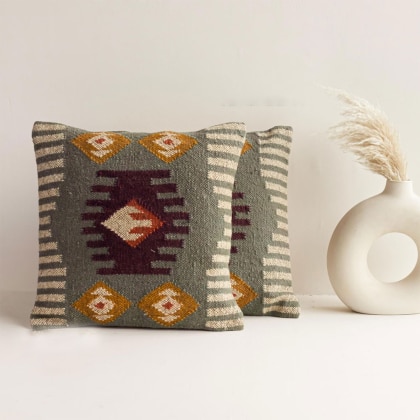

Kilim pillows can be washed, but gentle cleaning is the safest approach for protecting their woven texture, colors, and shape. Regular vacuuming and prompt spot cleaning can handle much of the everyday maintenance, while hand washing may be suitable when the cover needs deeper cleaning and its care instructions allow it. Avoid excessive water, strong chemicals, machine agitation, and direct heat, especially with wool or handmade kilim textiles. With consistent care and proper drying, kilim pillow covers can retain their distinctive patterns and handcrafted character for years — for broader guidance, see our tips for taking care of your kilim. Explore our collection of kilim pillows, along with kilim rugs, poufs, and ottomans, to bring authentic woven texture and timeless character into your home.