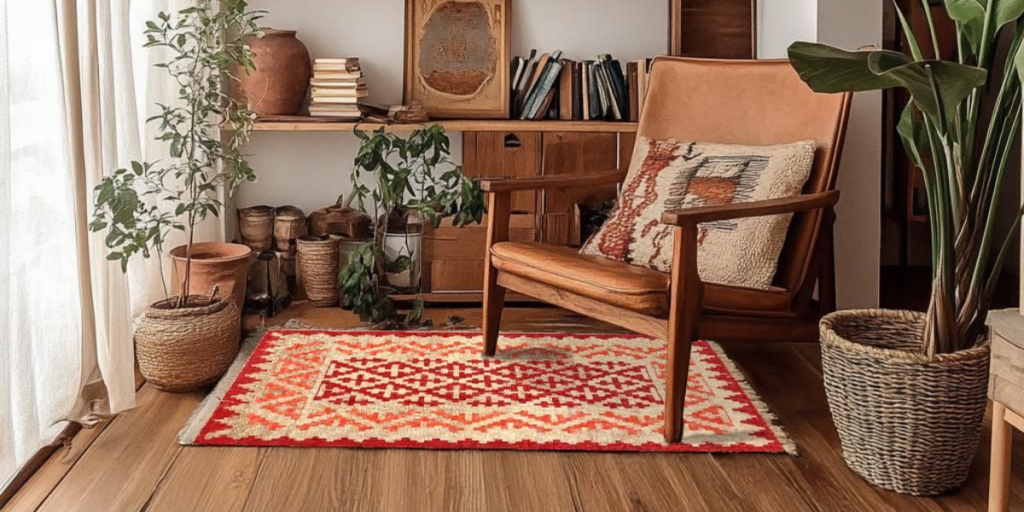
Kilim rugs are known for their flatwoven texture, lightweight feel, and timeless patterns that work beautifully in both traditional and modern interiors. However, many homeowners notice that kilim rugs can slide, bunch up, or shift easily on hard floors without proper support underneath. This often leads people to wonder whether a rug pad is actually necessary. In most cases, using a rug pad under a kilim rug helps improve grip, comfort, floor protection, and overall durability. Choosing the right rug pad can also help keep the rug flatter and more secure during everyday use.
Why Do Kilim Rugs Slide on Hard Floors?
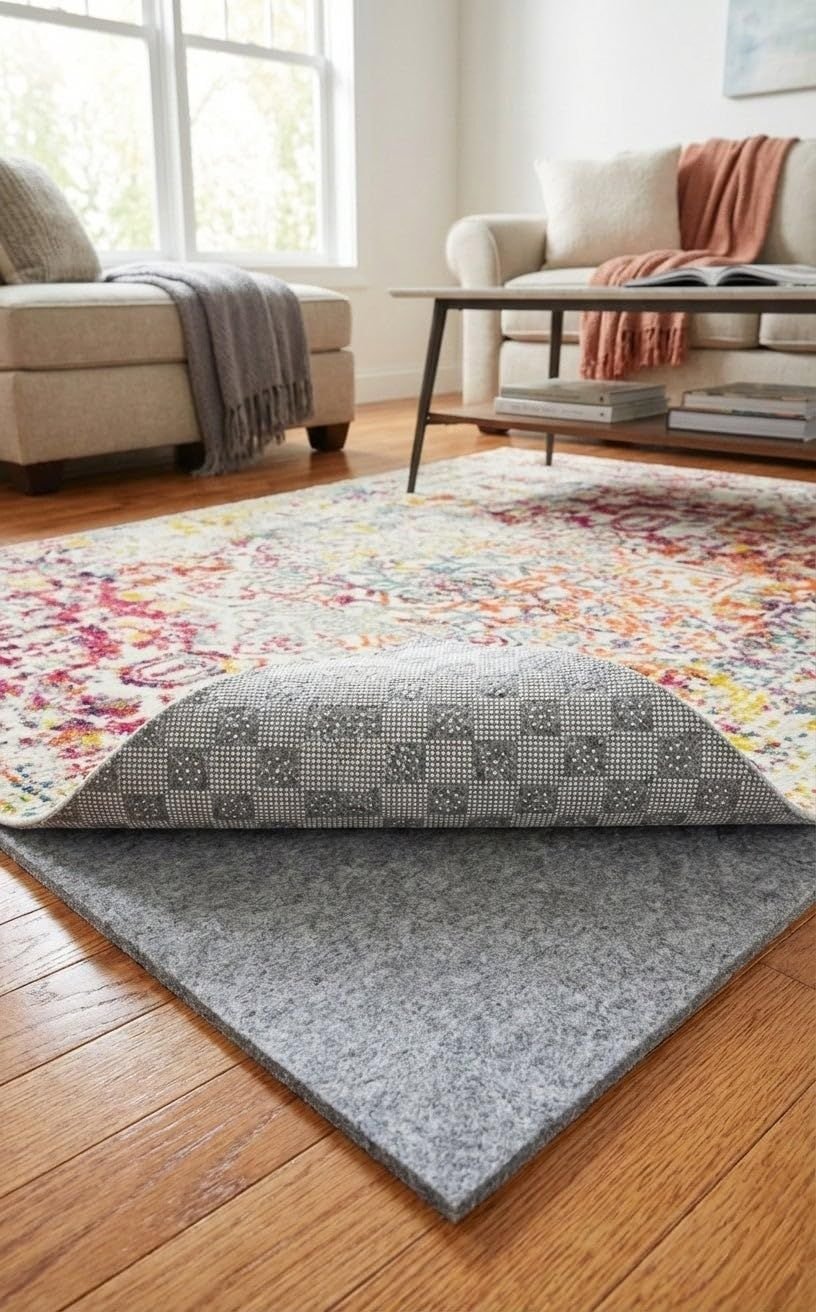
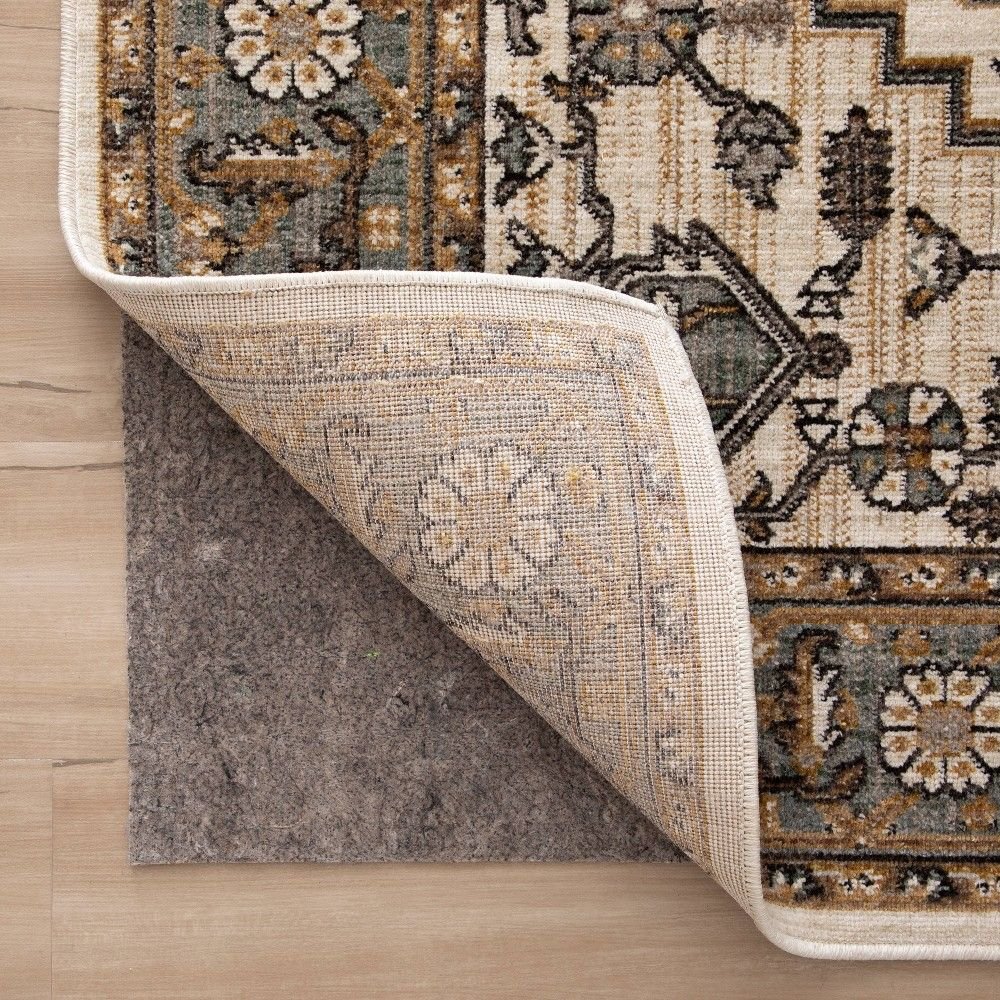
- Lightweight Flatweave Construction: Kilim rugs are thinner and lighter than many traditional rugs, so they naturally have less grip against smooth flooring surfaces. Their flatwoven design makes movement more noticeable in busy areas of the home.
- Smooth Floor Surfaces: Materials like hardwood, tile, laminate, or marble do not create much friction underneath the rug. This makes it easier for the rug to shift or slide during everyday use.
- Regular Foot Traffic: Frequent walking across the rug can slowly move it out of place over time, especially in living rooms, hallways, or entryways where people walk constantly.
- Furniture Movement and Pressure: Moving chairs, sofas, or coffee tables across the rug can pull the fibers and cause the rug to bunch up or wrinkle around the edges.
- Lack of a Rug Pad Underneath: Without a rug pad, kilim rugs sit directly against the floor with very little support or grip. This increases slipping and makes the rug less stable during daily use.
- Thin Edges and Corners: Flatwoven kilim rugs sometimes curl slightly at the corners, particularly when placed on hard flooring without proper support underneath.
What Is the Best Thing to Put Under a Rug?
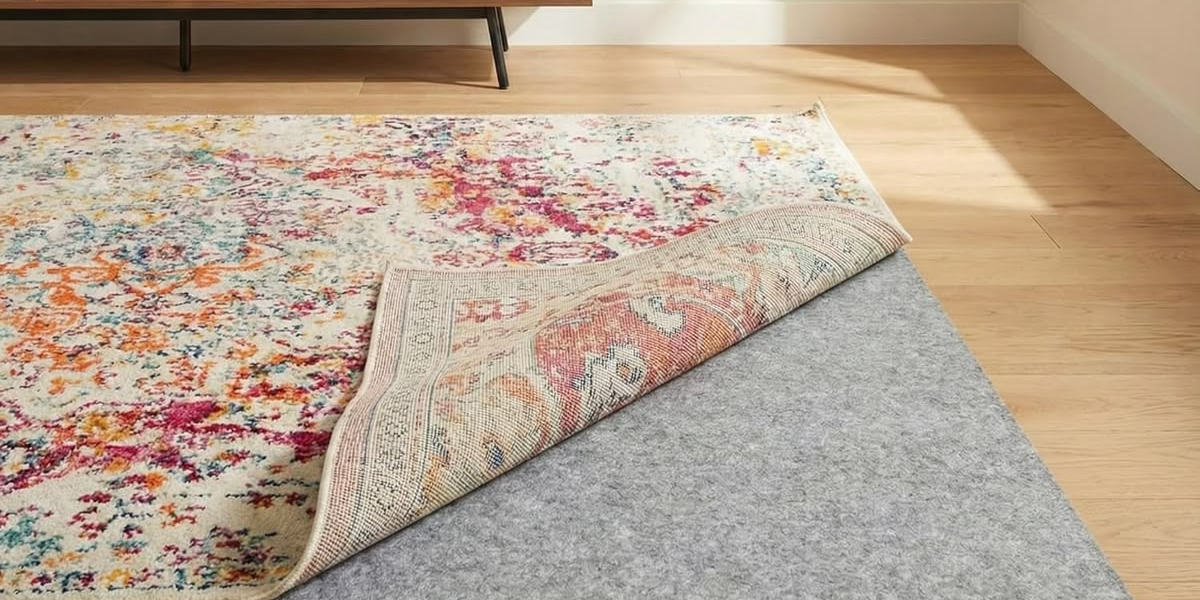
A non-slip rug pad is usually the best thing to place under a kilim rug because it helps keep the rug stable while protecting both the flooring and the rug itself. Rug pads reduce movement, prevent slipping, and add a softer feel underfoot without changing the appearance of the rug. They also help improve airflow beneath the rug, which can reduce friction and wear over time. Choosing the right rug pad can make a noticeable difference in how comfortable and secure the rug feels during daily use.
What Are the Benefits of Using a Rug Pad Under a Kilim Rug?
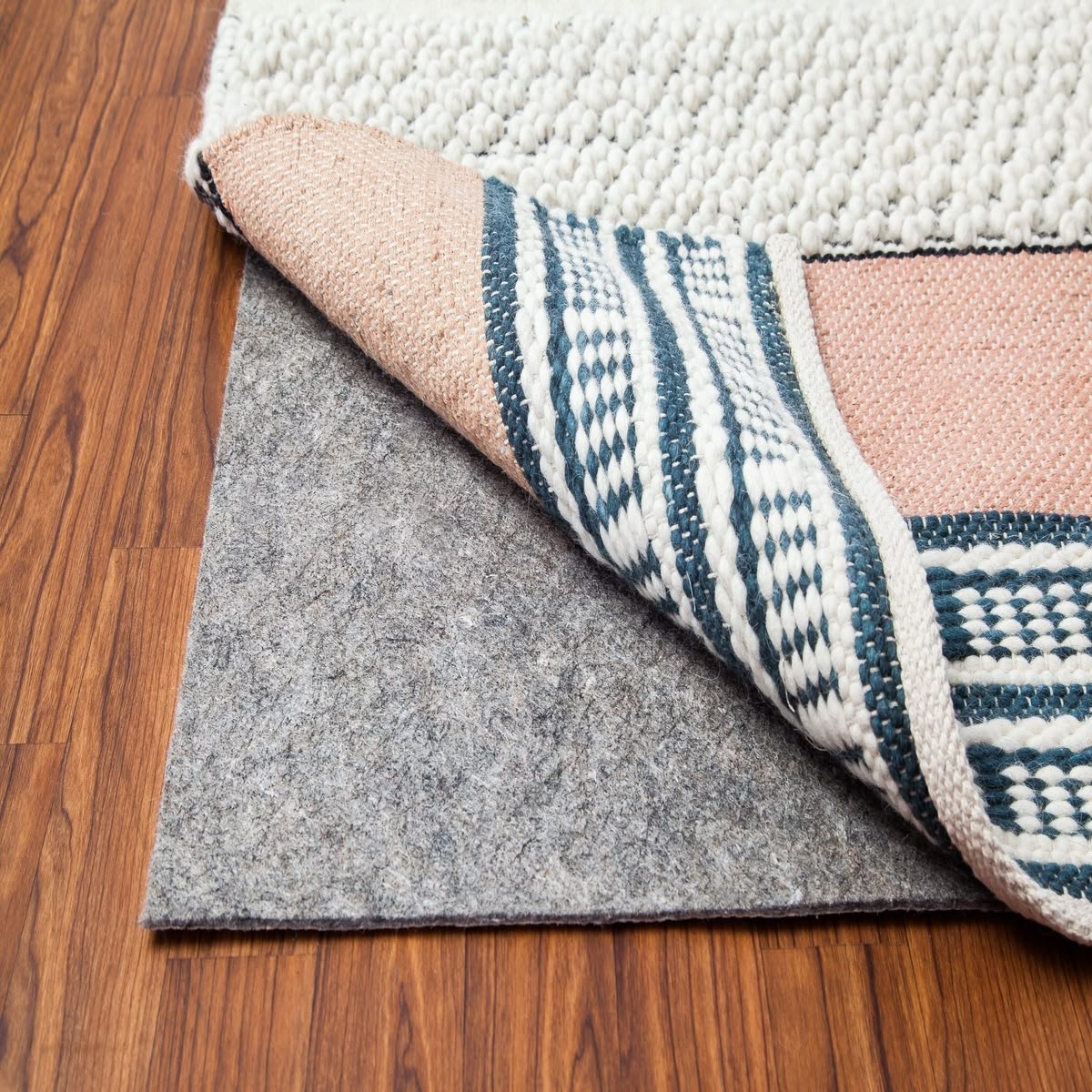
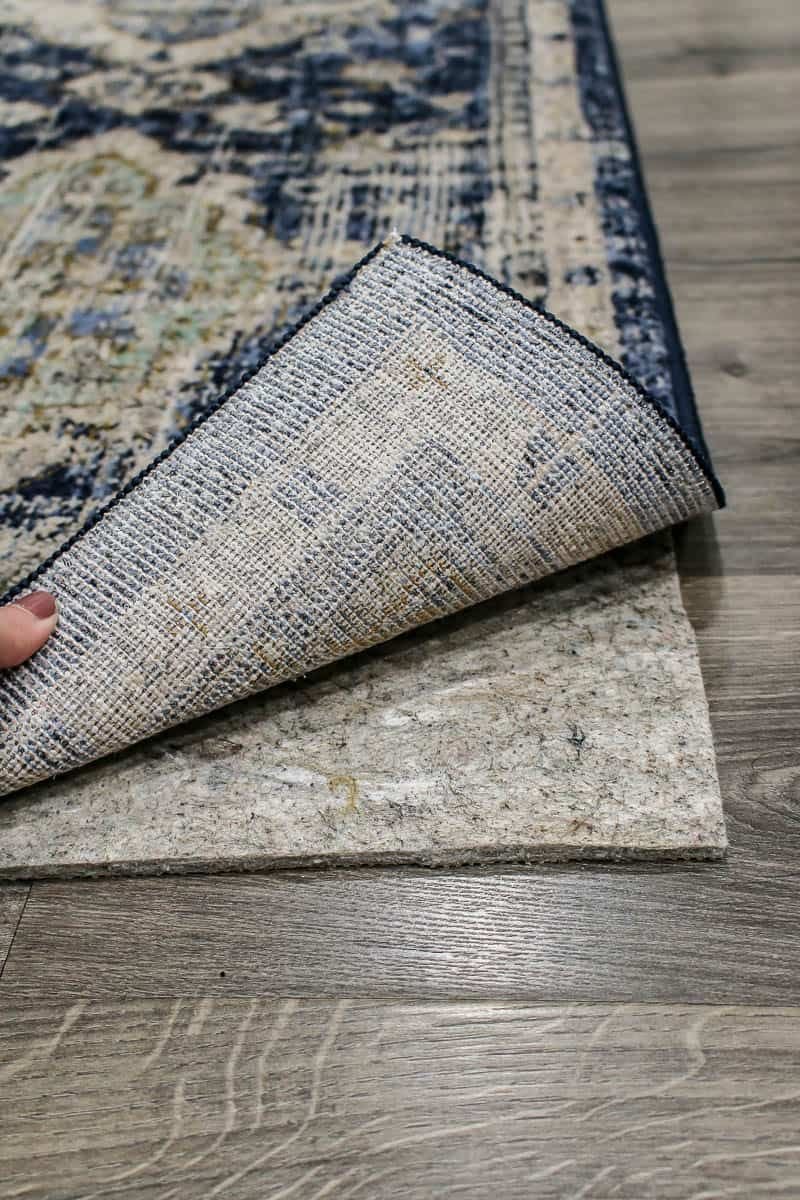
Using a rug pad under a kilim rug offers several practical benefits that improve both comfort and durability in everyday living spaces.
- Prevents Slipping and Movement: Rug pads help keep flatweave rugs from sliding across smooth floors, especially in busy areas with regular foot traffic.
- Protects the Rug from Wear: A rug pad reduces friction between the floor and the rug, helping the fibers maintain their structure for longer periods.
- Adds Extra Comfort Underfoot: Since kilim rugs are naturally thin and flatwoven, a rug pad can provide additional softness and cushioning while walking.
- Protects Hardwood or Tile Flooring: Rug pads help prevent scratches, marks, or pressure damage caused by furniture or constant movement on hard surfaces.
- Helps the Rug Stay Flat: Flatweave rugs sometimes wrinkle or curl at the edges over time. A rug pad can help the rug sit more evenly on the floor.
What Type of Rug Pad Works Best for Kilim Rugs?
Thin non-slip rug pads usually work best for kilim rugs because they provide grip without making the rug feel bulky or uneven. Flatweave pieces like a Turkish kilim rug naturally sit close to the floor, so overly thick pads may affect how the rug lays and feels in the room. Many homeowners prefer low-profile felt and rubber combinations because they provide both stability and comfort while maintaining the natural appearance of the rug.
Are Non-Slip Rug Pads Better for Flatweave Rugs?
Yes, non-slip rug pads are generally better for flatweave rugs like kilims because they help reduce movement on smooth flooring surfaces. Since kilim rugs do not have a thick backing, they can slide more easily than heavier rugs. A non-slip rug pad helps keep the rug secure while reducing bunching, wrinkling, and shifting caused by everyday walking or furniture movement.
What Is the Difference Between a Carpet Pad and a Rug Pad?
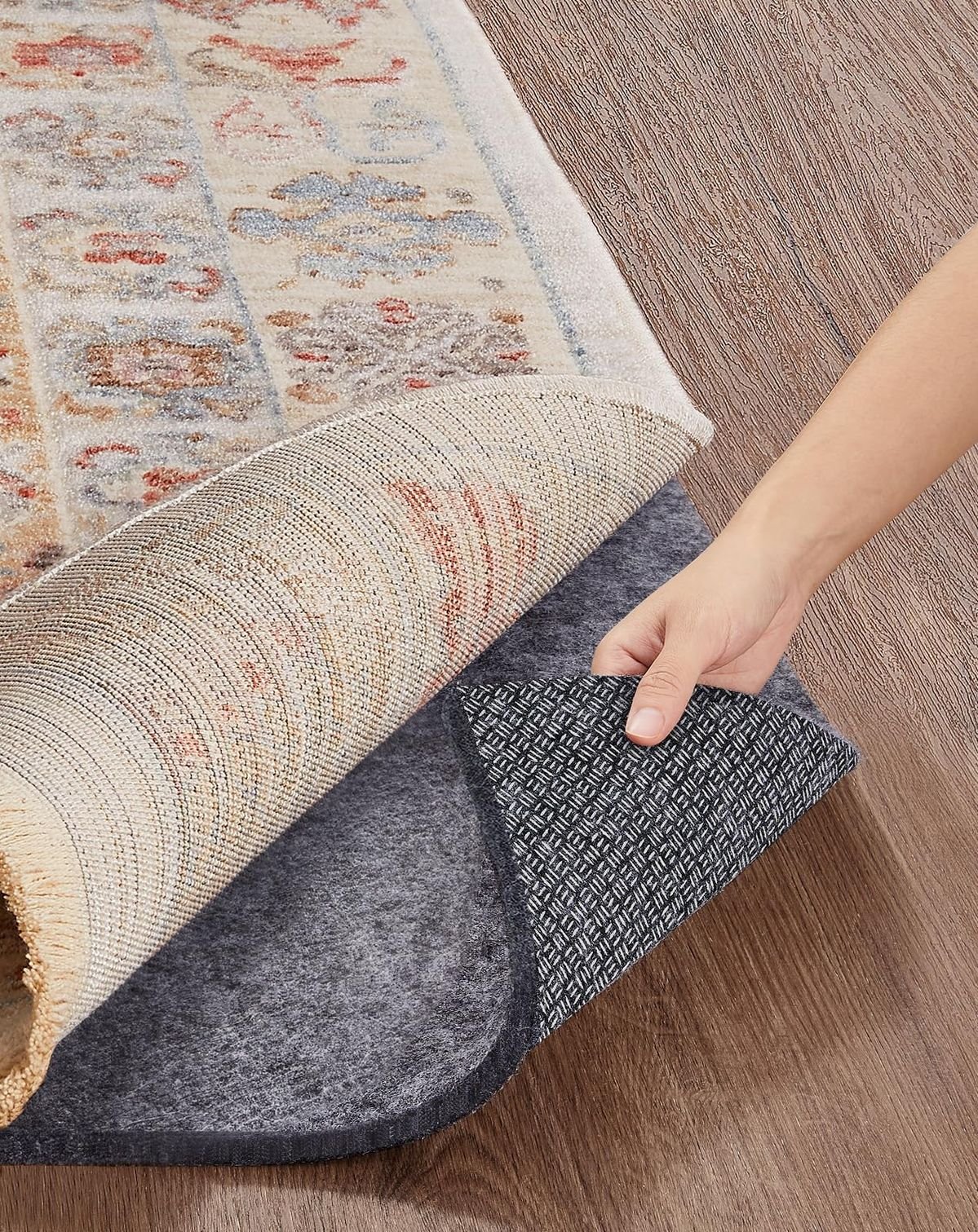
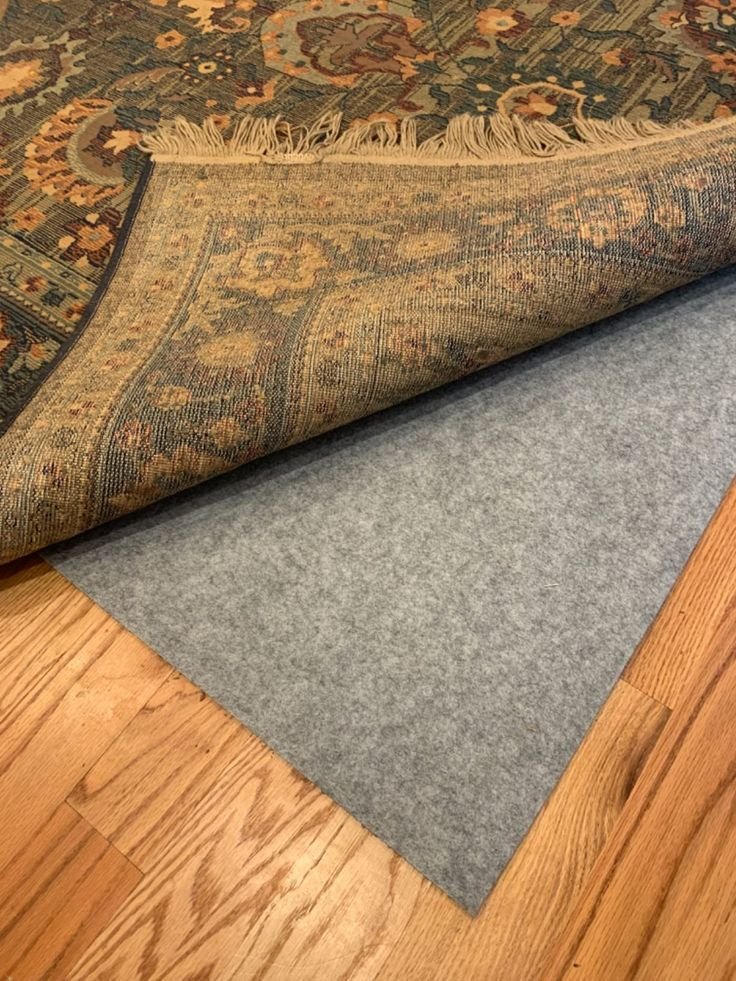
| Feature | Carpet Pad | Rug Pad |
| Purpose | Designed for wall-to-wall carpeting | Designed for area rugs like kilim rugs |
| Installation | Usually installed permanently underneath carpet | Placed loosely under rugs and easily removable |
| Main Function | Provides cushioning for large carpeted areas | Adds grip, floor protection, and stability |
| Best Use | Full-room carpeting | Flatweave rugs, Turkish rugs, and decorative area rugs |
| Thickness | Often thicker and softer | Usually thinner for better rug support |
| Slip Protection | Limited slip resistance | Non-slip options available for hard floors |
| Flexibility | Not intended for frequent movement | Easy to adjust, trim, or replace |
| Floor Protection | Focuses more on comfort | Helps protect hardwood, tile, or laminate flooring from scratches |
Should I Get a Thick or Thin Rug Pad?
Thin rug pads are usually the better option for kilim rugs because they help maintain the flatwoven appearance of the rug while still adding grip and protection. Very thick rug pads may cause the rug to look uneven or create unnecessary height under furniture. However, some homeowners prefer slightly thicker pads in areas where additional comfort is needed, such as living rooms or reading spaces.
What Size Rug Pad Do You Need for an 8×10 Rug?
For an 8×10 rug, the rug pad should generally be slightly smaller than the rug itself, usually by about one to two inches on each side. This helps keep the edges of the rug flat against the floor while preventing the pad from becoming visible around the borders.
Does a Rug Pad Need to Be Exact the Same Size as a Rug?
No, a rug pad should not be exactly the same size as the rug. A slightly smaller pad usually works better because it stays hidden underneath and allows the rug edges to rest naturally against the floor. If the pad is too large, it may cause uneven edges or make the rug lift slightly around the sides, which can affect both appearance and stability.
Wrap Up

Kilim rugs collection
Explore a diverse collection of rugs crafted for style and durability. From kilims to modern designs, find your perfect rug at Kilim Provenance.
- -8% OFF

- -8% OFF
- -8% OFF

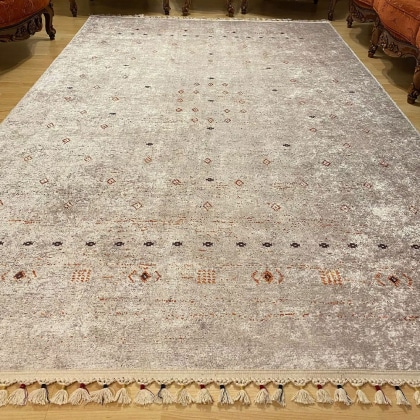
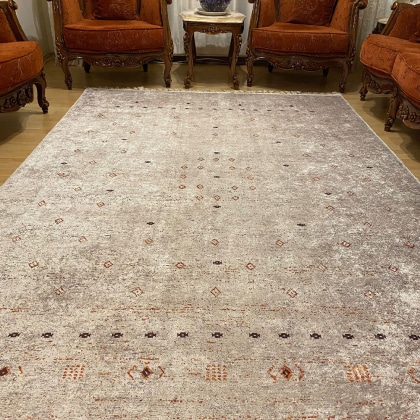
Rug pads can make a significant difference in how kilim rugs feel and perform in everyday spaces. They help reduce slipping, improve comfort, protect flooring, and support the durability of flatweave rugs over time. Choosing the right rug pad also helps kilim rugs stay flatter and more secure in busy living areas. Explore our collection of handcrafted Turkish rugs, kilim rugs, pillows, and other timeless decor pieces designed to bring texture, warmth, and character into your home.