Turkish and Moroccan kilim rugs share a love for geometric patterns, natural materials, and traditional weaving, but their designs tell different cultural stories. Both are associated with flatwoven craftsmanship, yet they come from distinct regions and reflect different artistic traditions. The main difference between Turkish and Moroccan kilim rugs lies in their origins, weaving techniques, patterns, and colours. Turkish kilims are particularly known for Anatolian geometric motifs and intricate tapestry weaving, while Moroccan kilims reflect Amazigh (Berber) textile traditions, often featuring bold patterns, stripes, and contrasting colours. Understanding these differences can help you appreciate each rug’s craftsmanship and find a design that complements your home.
What Is a Turkish Kilim Rug?
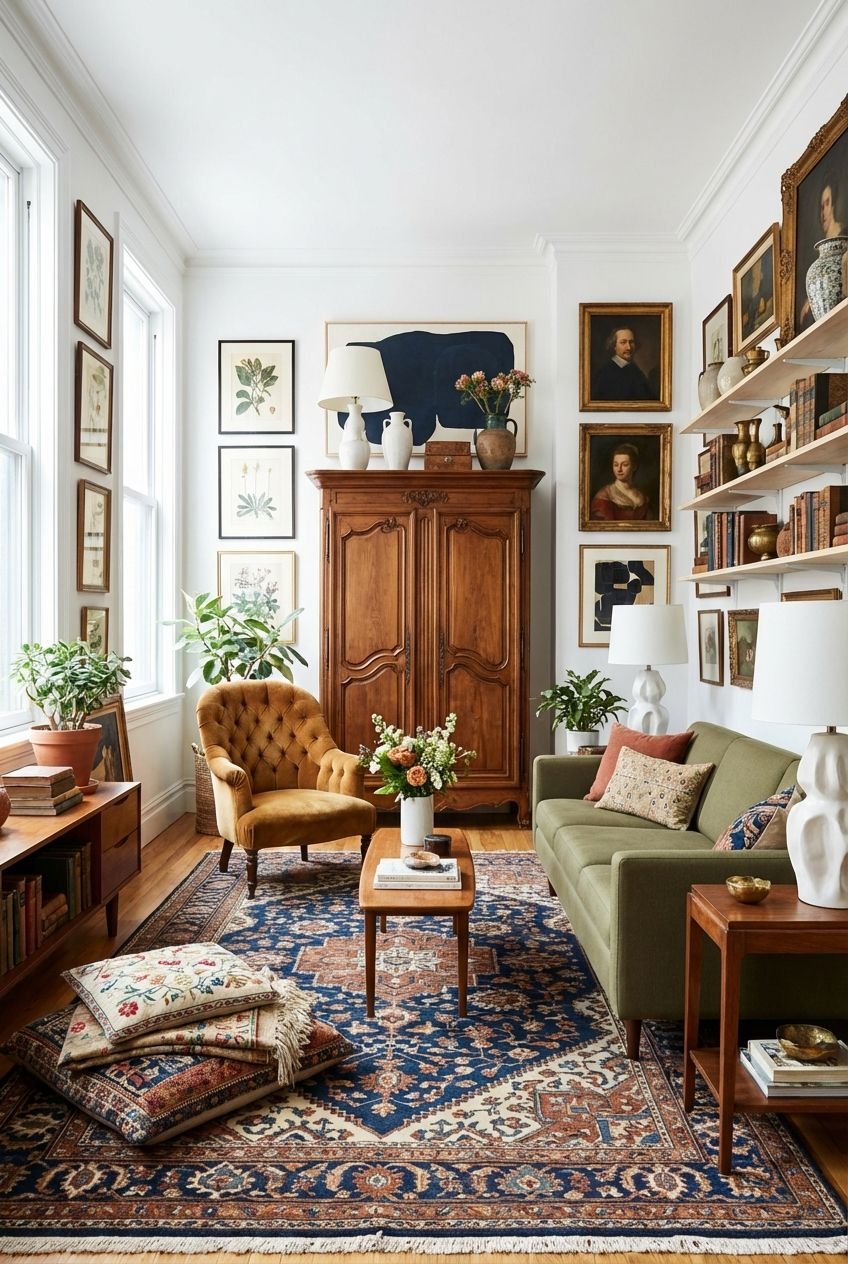
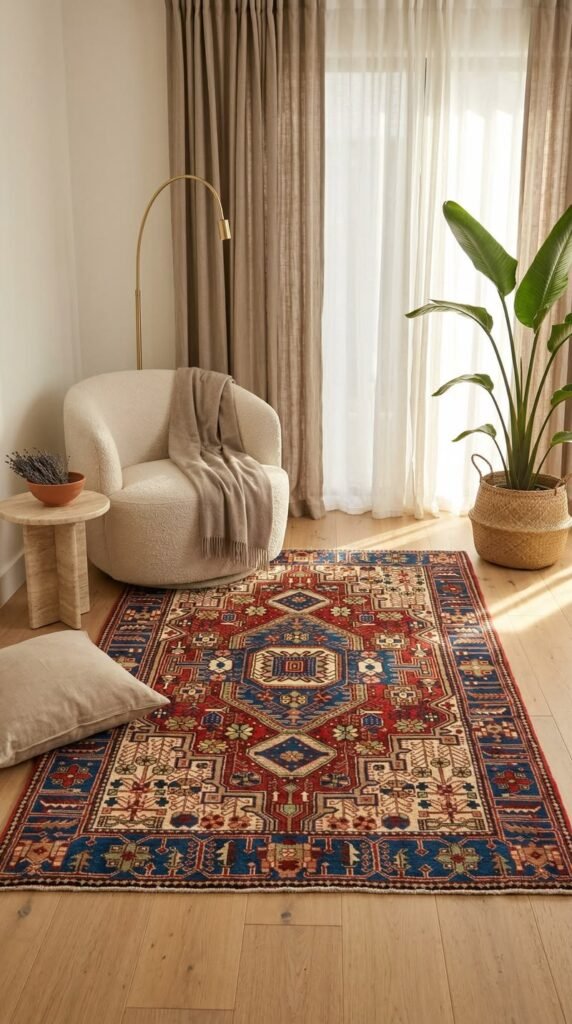
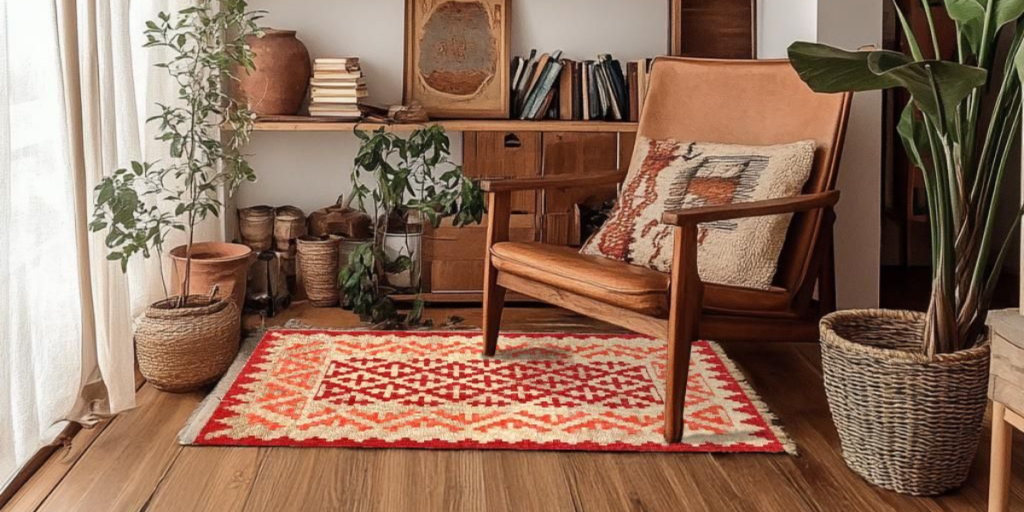
A Turkish kilim rug is a flatwoven textile traditionally made in Turkey, particularly in Anatolia, using techniques that create patterns without a raised pile. Unlike thick, hand-knotted carpets, kilims have a relatively thin, flat surface formed by interweaving warp and weft yarns, a construction method explained in detail when looking at how a kilim rug made in the traditional way differs from modern alternatives. Traditional Turkish kilims are recognised for their geometric designs, angular shapes, and regional motifs — a heritage explored in depth when comparing Indian Kilim vs Turkish Kilim Rugs. Diamonds, stepped patterns, hooks, and repeated geometric arrangements are common features, although designs vary considerably between weaving communities.
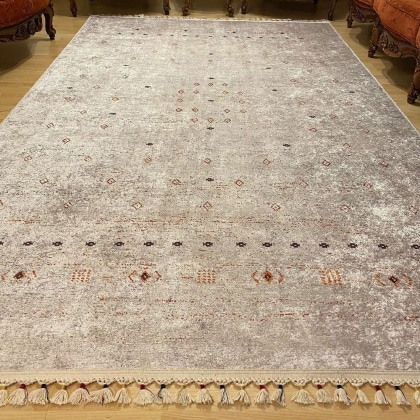
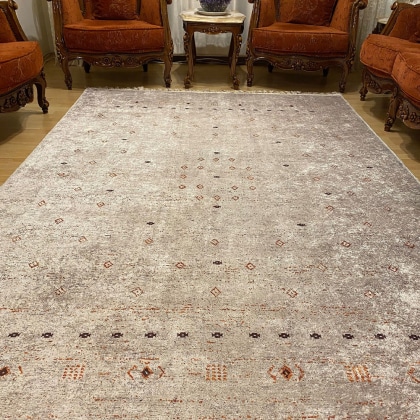
For example, the Antique style Turkish washable rug offers a Turkish-inspired decorative style with the convenience of a washable design. However, Turkish-style washable rugs should not automatically be confused with traditional handmade Anatolian kilims.
What Are Turkish Kilim Rugs Made Of?
Traditional Turkish kilim rugs are primarily made from wool, sometimes combined with cotton or other natural fibres. The exact materials depend on the region, weaving technique, and intended use. Wool is particularly common because it offers warmth, resilience, and the ability to hold rich colours. In many traditional kilims, wool forms the visible patterned surface, while cotton may be incorporated into the foundation or decorative details. Some traditional textiles also use goat hair, particularly in certain regional weaving styles. Modern Turkish kilim-inspired rugs may incorporate cotton, chenille, or synthetic materials, depending on their construction.
What Is a Moroccan Kilim Rug?
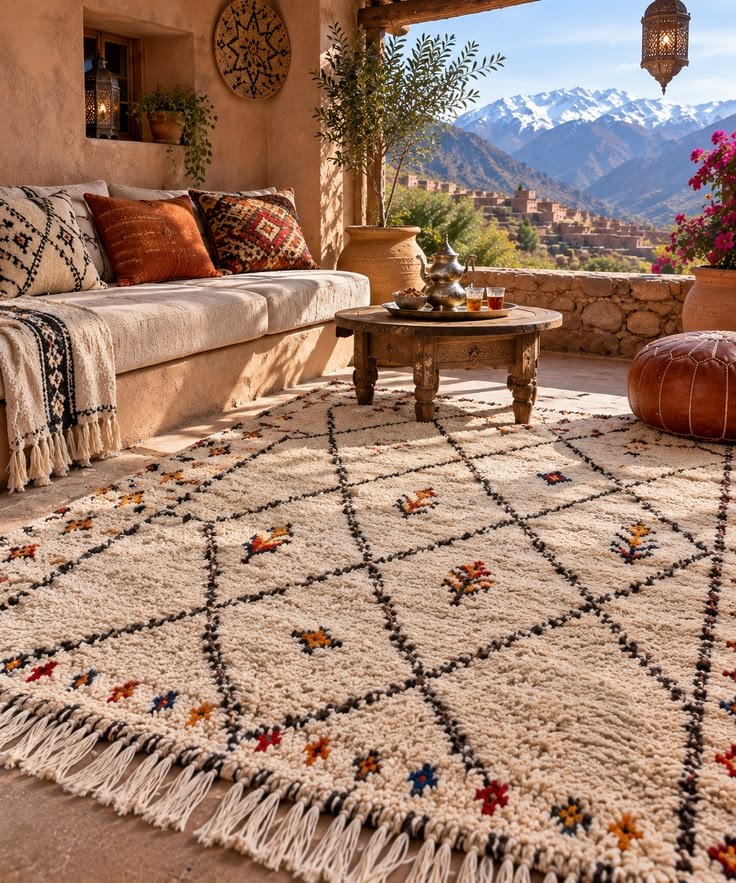
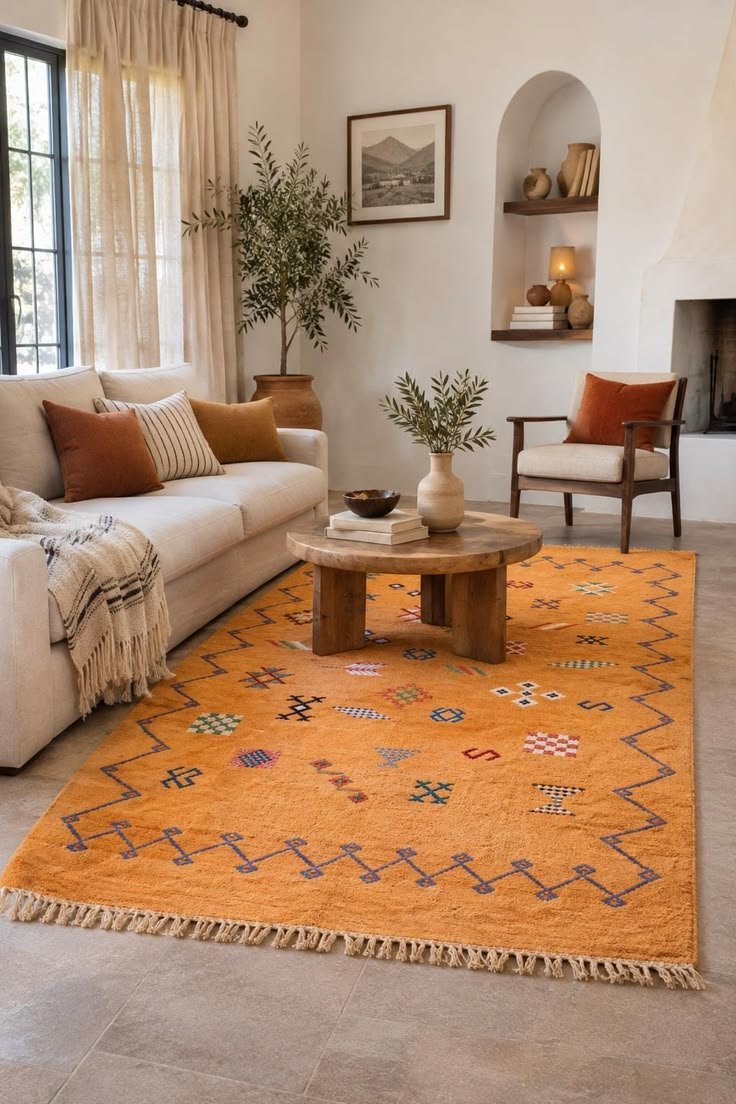
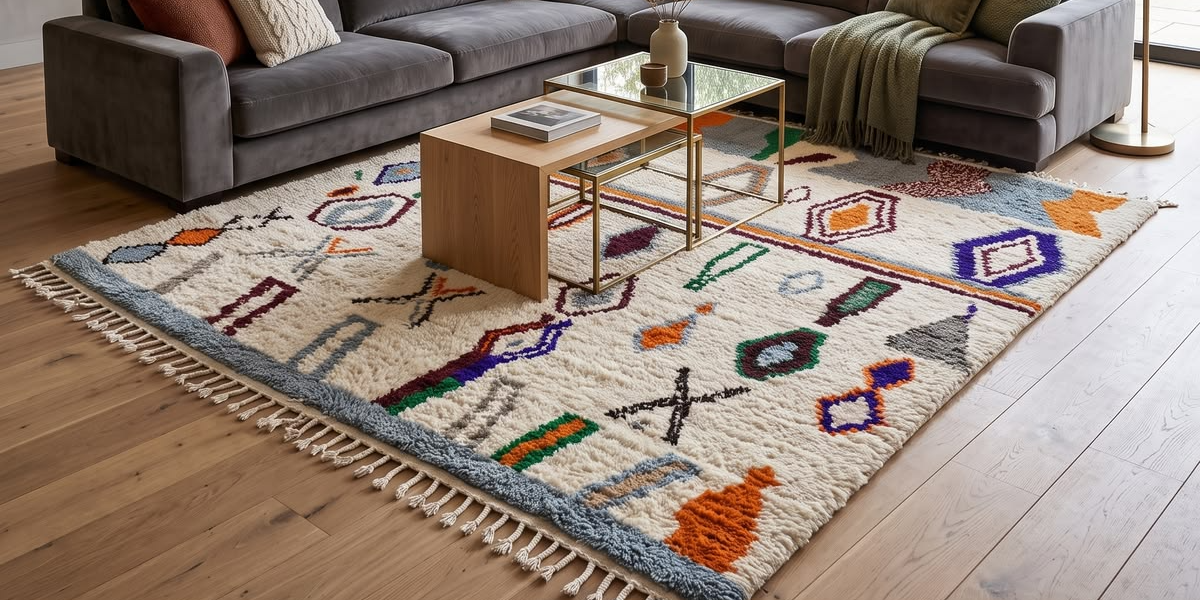
A Moroccan kilim rug is a flatwoven textile associated with Morocco’s traditional weaving culture, particularly the craftsmanship of Amazigh (Berber) communities. Moroccan kilims are commonly woven from wool, although cotton and other fibres may also be used. Their designs vary by region, with some featuring bold geometric patterns, contrasting colours, and repeated stripes.
Traditional Moroccan flatwoven textiles include styles such as Hanbel, which may serve as floor coverings, blankets, or decorative textiles. Moroccan kilims are also popular in contemporary interiors because their patterns can complement both colourful and neutral spaces. The Black and white Moroccan kilim rug is a decorative option for introducing geometric contrast without overwhelming a room with bright colours.
What Is So Special About Moroccan Rugs?
Moroccan rugs are known for their distinctive weaving traditions, expressive designs, and strong connection to Amazigh cultural heritage. Their appearance and craftsmanship vary across different regions, making Moroccan textiles a diverse category rather than a single rug style. Some characteristics that make Moroccan rugs special include:
- Traditional Amazigh Craftsmanship: Many Moroccan rug-making traditions have been preserved through generations of skilled weavers. Regional techniques, motifs, and colour choices reflect the artistic heritage of different communities.
- Distinctive Geometric Patterns: Moroccan rugs frequently feature diamonds, lines, abstract shapes, and repeating arrangements. Some traditional motifs carry cultural significance, although interpretations vary between regions.
- Diverse Colours and Designs: Moroccan rugs range from black-and-white geometric patterns to vibrant combinations of red, orange, blue, and earthy shades, so whether you prefer beige kilim rugs or bold colour, there is a style to suit. This variety makes them suitable for different interior styles.
- Different Weaving Techniques: Moroccan textile traditions include both flatwoven kilims and thicker pile rugs. Some regional styles also combine techniques to create more textured surfaces.
- Versatile Decorative Appeal: Flatwoven Moroccan kilims work well in modern, bohemian, rustic, and minimalist interiors, and understanding what happens when you combine kilim rugs with boho decor can help you style them effectively. Their geometric designs can add visual interest to bedrooms, living rooms, and other spaces.
What Are the Differences Between Turkish and Moroccan Kilim Rugs?
| Feature | Turkish Kilim Rugs | Moroccan Kilim Rugs |
|---|---|---|
| Origin | Turkey, particularly Anatolia | Morocco, especially regions with Amazigh weaving traditions |
| Cultural Heritage | Anatolian weaving traditions | Amazigh (Berber) textile traditions |
| Traditional Materials | Primarily wool, sometimes cotton and other natural fibres | Primarily wool, sometimes cotton and other fibres |
| Weaving Techniques | Flatweaving, including traditional slit-tapestry techniques | Flatweaving, with techniques varying across Moroccan regions |
| Common Patterns | Stepped diamonds, hooks, angular shapes, and repeated geometric motifs | Diamonds, stripes, abstract shapes, and geometric arrangements |
| Colour Palettes | Traditional reds, blues, browns, earthy shades, and modern neutrals | Black, white, cream, earthy shades, and vibrant regional combinations |
| Design Influences | Anatolian regional motifs and weaving traditions | Amazigh regional patterns and cultural influences |
| Texture | Generally flat and textured, depending on yarn and weave | Generally flat, with texture varying by regional construction |
| Thickness | Usually relatively thin compared with pile carpets | Usually relatively thin, although thickness varies |
| Reversibility | Many traditional flatwoven designs are reversible | Many traditional flatwoven designs are reversible |
| Craftsmanship | Traditionally handwoven, with modern manufactured versions available | Traditionally handwoven, with modern manufactured versions available |
| Durability | Depends on fibre quality, weave density, and maintenance | Depends on fibre quality, weave density, and maintenance |
| Interior Styles | Traditional, bohemian, rustic, and contemporary | Bohemian, modern, rustic, and minimalist |
| Common Uses | Floor coverings, wall hangings, and decorative textiles | Floor coverings, decorative textiles, and household furnishings |
How Do Turkish and Moroccan Kilim Rug Patterns Differ?
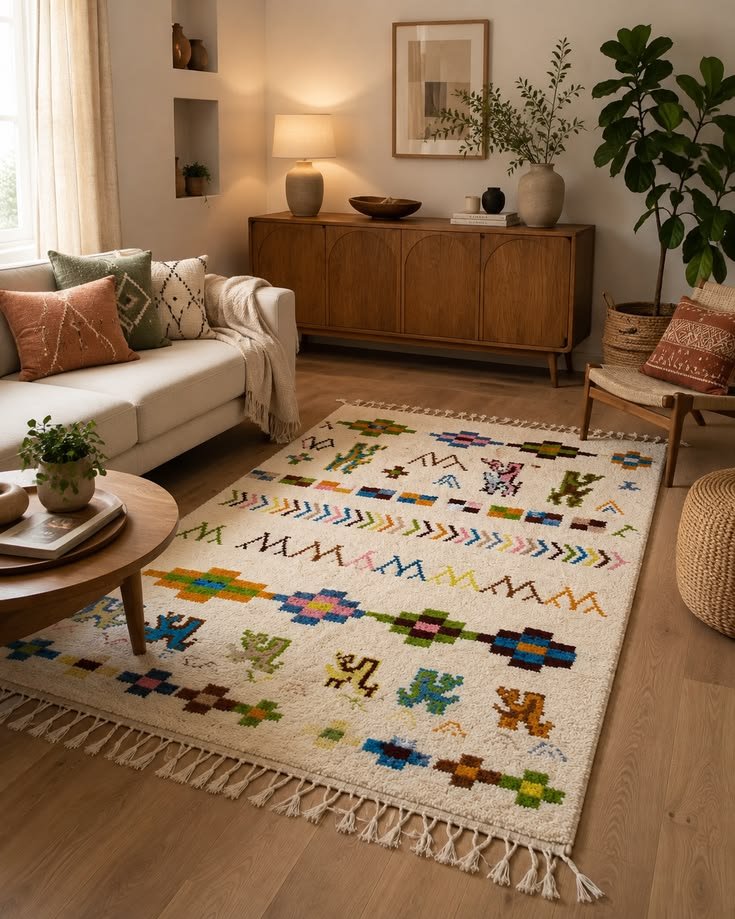
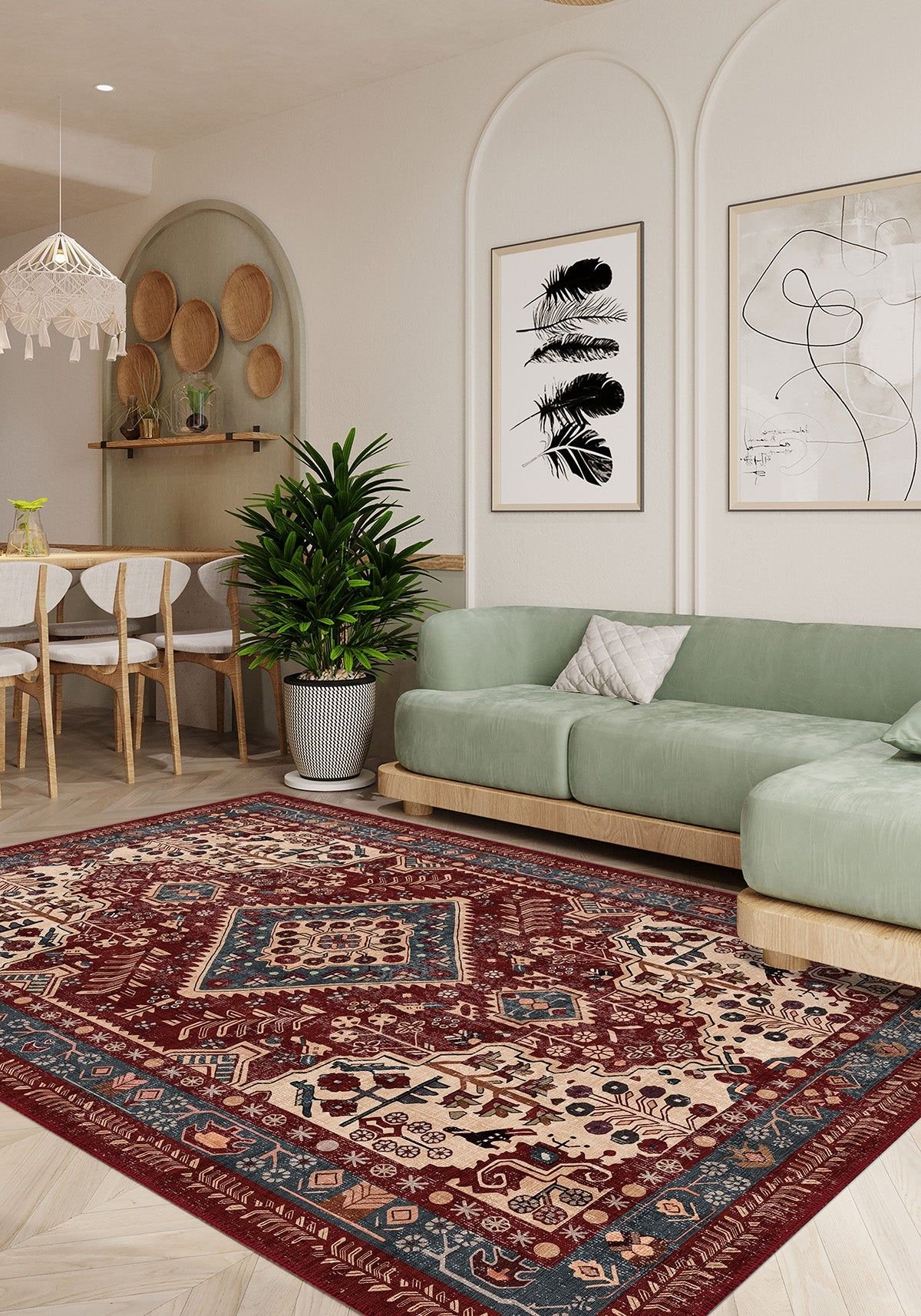
Turkish kilim rugs are particularly recognised for angular geometric motifs and structured arrangements, while Moroccan kilims often feature bold diamonds, stripes, and abstract patterns influenced by Amazigh weaving traditions. However, both styles share geometric elements, and their designs can overlap. Traditional Turkish kilims frequently incorporate stepped diamonds, hooked forms, repeated borders, and interlocking shapes. Some motifs have historically been associated with protection, family, and prosperity, although their meanings differ between weaving communities. Their arrangements can be intricate, with multiple colours and carefully repeated patterns. Moroccan kilims may feature broader stripes, contrasting geometric forms, or simpler repeated designs. Some traditional flatweaves use strong colour contrasts — pairing red kilim rugs with cream, or blue kilim rugs with earthy tones — while others incorporate vibrant
Are Moroccan Kilim Rugs the Same as Berber Rugs?
Not exactly. Moroccan kilim rugs are part of the broader tradition of Amazigh (Berber) rugs, but not all Moroccan Berber rugs are kilims. The main difference is their construction. A Moroccan kilim is a flatwoven rug without a raised knotted pile. Traditional flatwoven styles, including Hanbel textiles, are associated with Moroccan Amazigh weaving communities. Berber rugs, however, are a broader category that includes both flatwoven and pile-woven designs. For example, Beni Ourain rugs are traditionally known for their thicker wool pile, while Moroccan kilims have a flatter surface.
Wrap Up

Kilim rugs collection
Explore a diverse collection of rugs crafted for style and durability. From kilims to modern designs, find your perfect rug at Kilim Provenance.
- -8% OFF

- -8% OFF
- -8% OFF
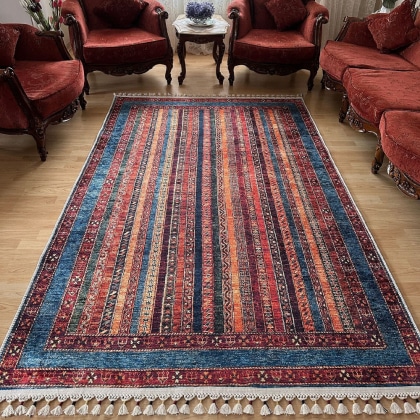
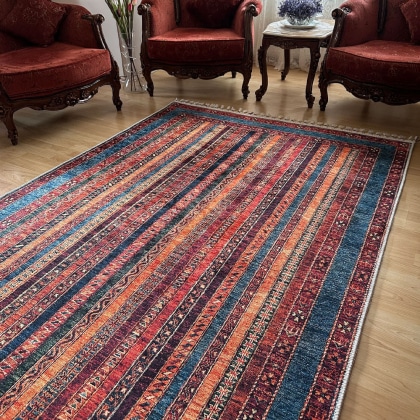
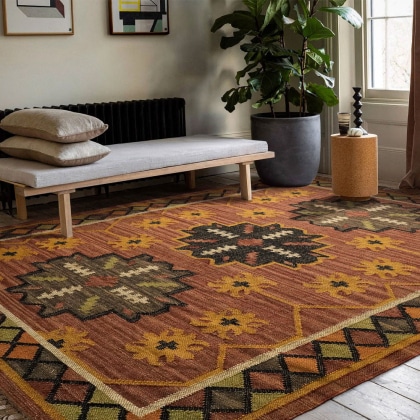

Turkish and Moroccan kilim rugs share traditional flatwoven craftsmanship, but their regional influences, weaving techniques, and patterns give each style a distinctive character. Turkish kilims are known for Anatolian geometric motifs and intricate designs, while Moroccan kilims reflect the diverse weaving traditions of Amazigh communities. At Kilim Provenance, we offer a variety of rugs inspired by traditional weaving cultures. Explore our collections of Turkish Kilim Rugs, Moroccan Kilim Rugs, Indian kilim rugs, washable kilim style rugs, and other decorative textiles to find a design that complements your living space.