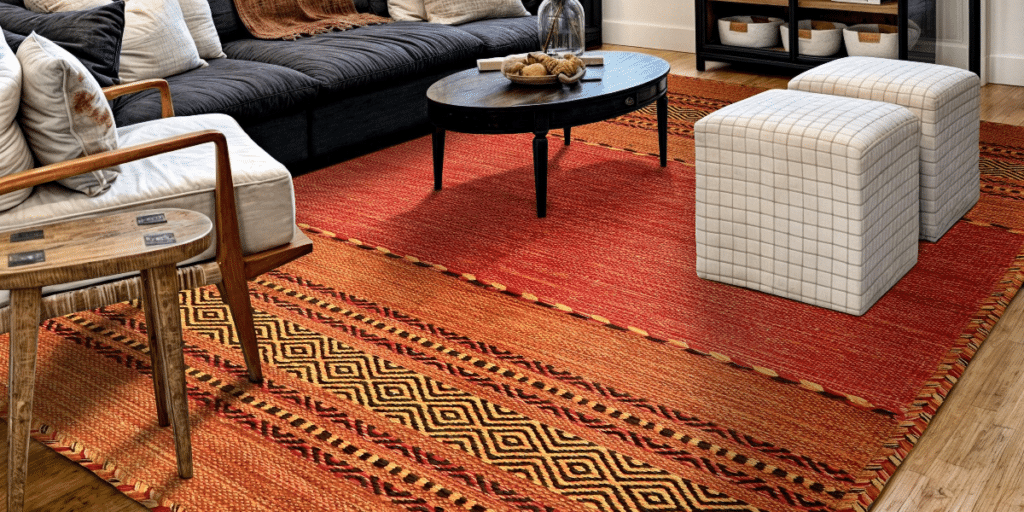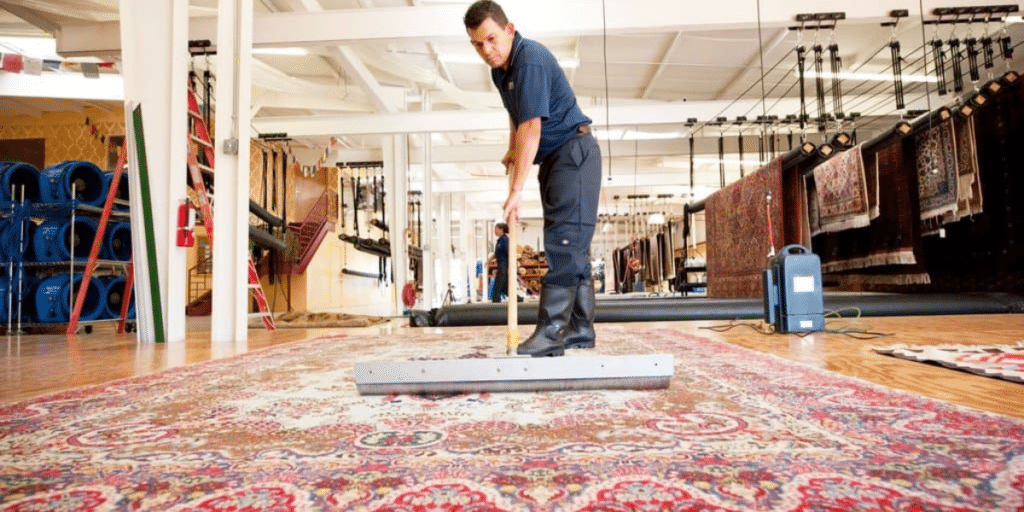
Indian and Turkish kilim rugs are admired for their intricate patterns, traditional craftsmanship, and timeless appeal. Although both belong to the broader family of flatwoven textiles, they reflect different weaving traditions, artistic influences, and regional designs. The main differences between Indian and Turkish kilim rugs lie in their origins, weaving techniques, materials, patterns, and colour combinations. Indian kilims often incorporate diverse geometric patterns, decorative details, and contemporary influences, while traditional Turkish kilims are particularly recognised for their symbolic motifs and distinctive Anatolian weaving traditions. Understanding these differences can help you appreciate the craftsmanship behind each style, and choosing your kilim rug with care will ensure it truly complements your interior.
What Is an Indian Kilim Rug?
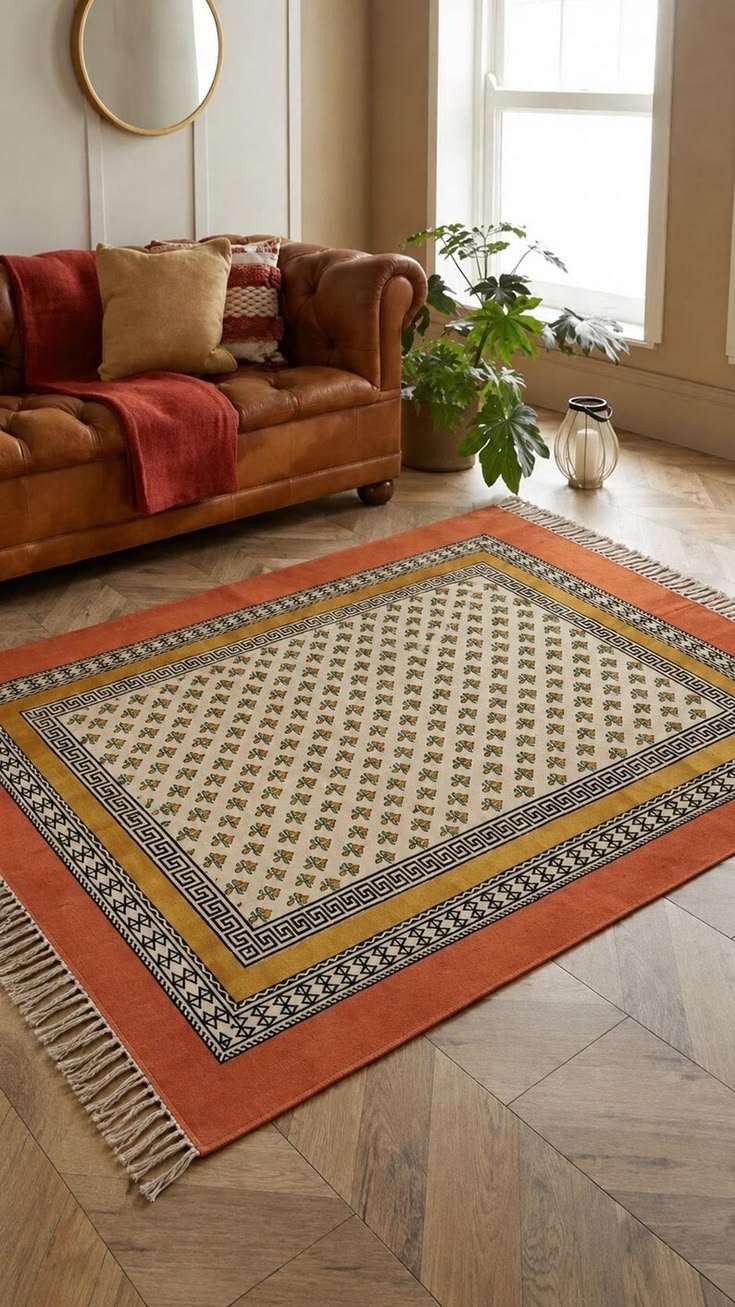
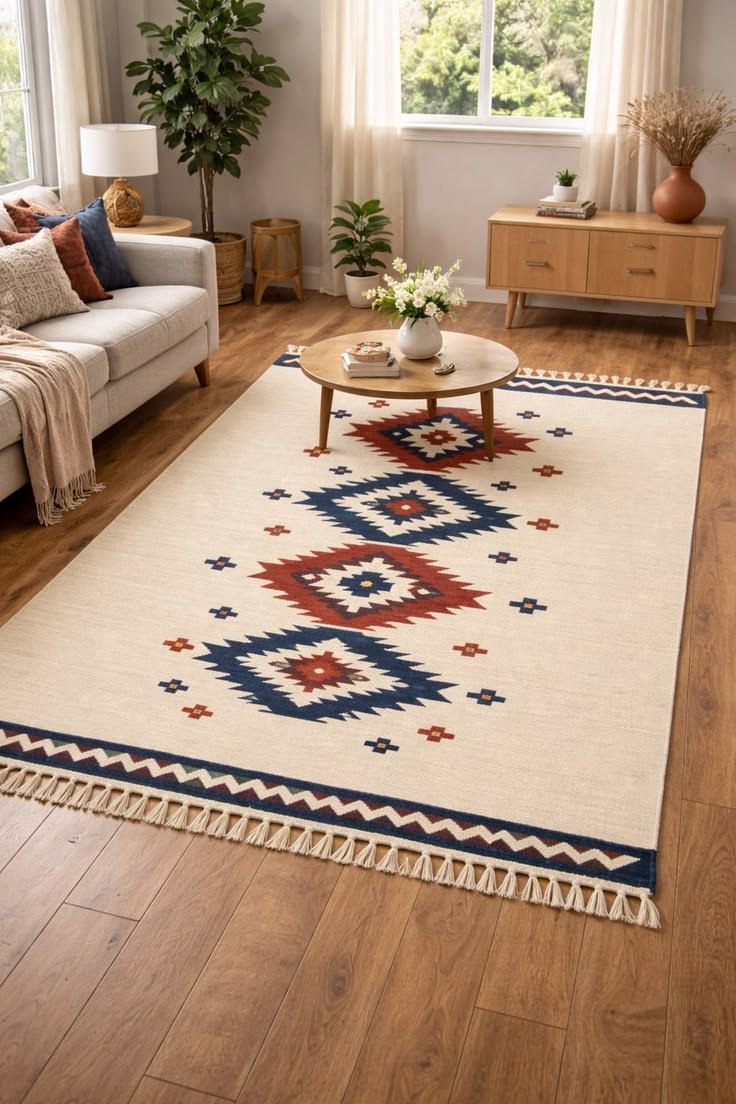
An Indian kilim rug is a flatwoven textile traditionally produced using weaving techniques that create patterns directly within the fabric rather than through a raised pile. These rugs are associated with India’s long history of textile craftsmanship, particularly in regions known for handwoven carpets and flatweaves, such as Rajasthan. Indian kilim rugs are commonly made from wool, cotton, or a combination of natural fibres. Depending on their construction, they may feature tightly woven surfaces, geometric arrangements, stripes, diamonds, or decorative patterns inspired by traditional and contemporary Indian textile designs.
Unlike thick, hand-knotted carpets, most Indian kilim rugs have a flat, relatively lightweight construction, making them practical for layering, placing beneath furniture, or adding texture to living spaces — though it is worth considering whether kilim rugs need a rug pad to keep them safely in place. One of the appealing features of Indian kilim rugs is their design versatility. Some incorporate vibrant colours and bold geometric patterns, while others feature understated neutral tones that complement modern interiors.
Are Indian Kilim Rugs Handmade?
Yes, many traditional Indian kilim rugs are handmade using weaving techniques passed down through generations of skilled artisans. However, not every rug marketed as an Indian kilim is necessarily handwoven, so it is important to check its construction and product description.For example, the Authentic hand woven indian kilim rug is a relevant option for homeowners exploring traditional Indian flatweave craftsmanship. Understanding how a kilim rug made on a loom interlaces warp and weft yarns helps explain how patterns are formed directly through the weaving process. Handwoven rugs may display slight variations in their patterns, dimensions, or weave tension. These characteristics can reflect the individual weaving process rather than manufacturing defects.
What Is a Turkish Kilim Rug?
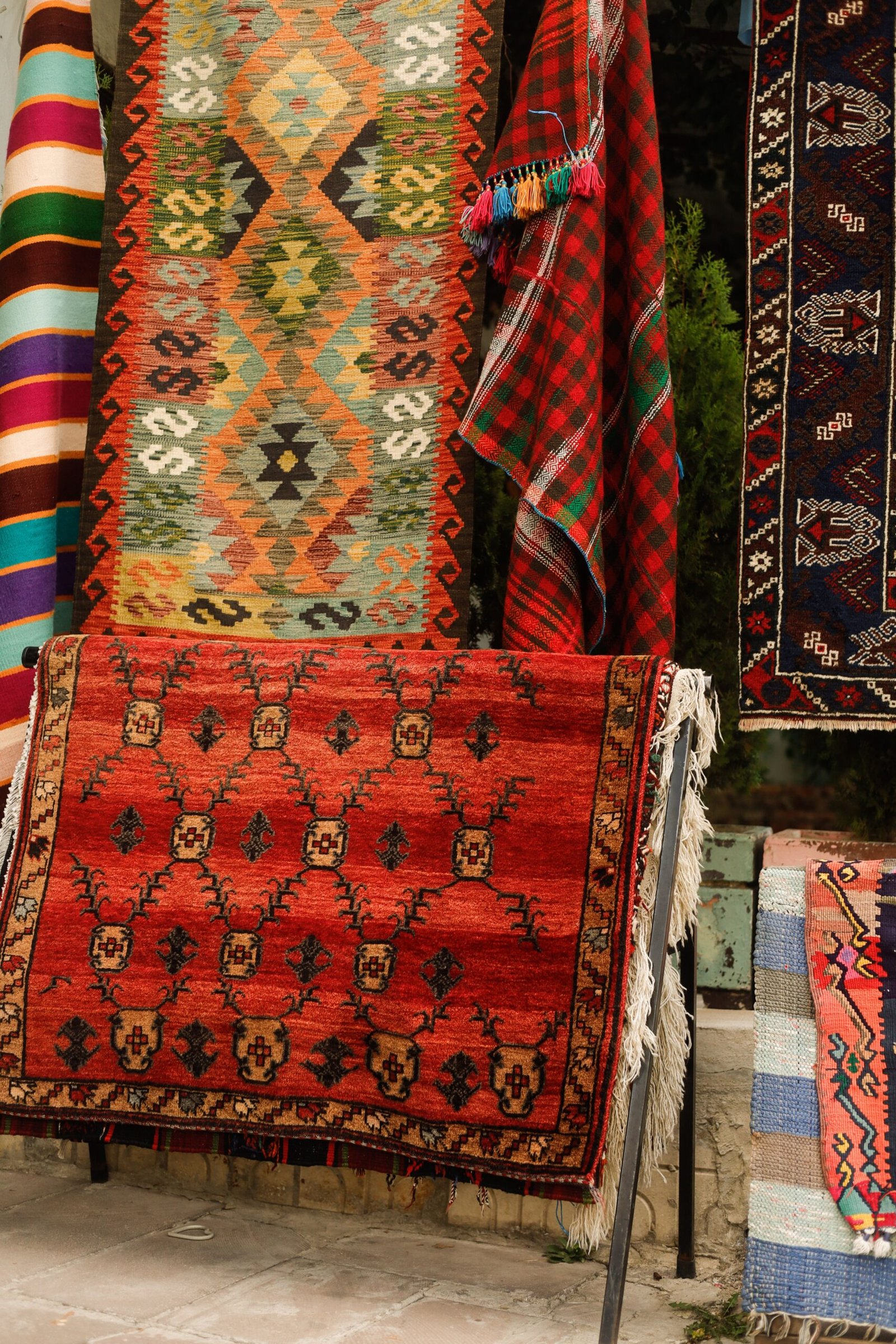
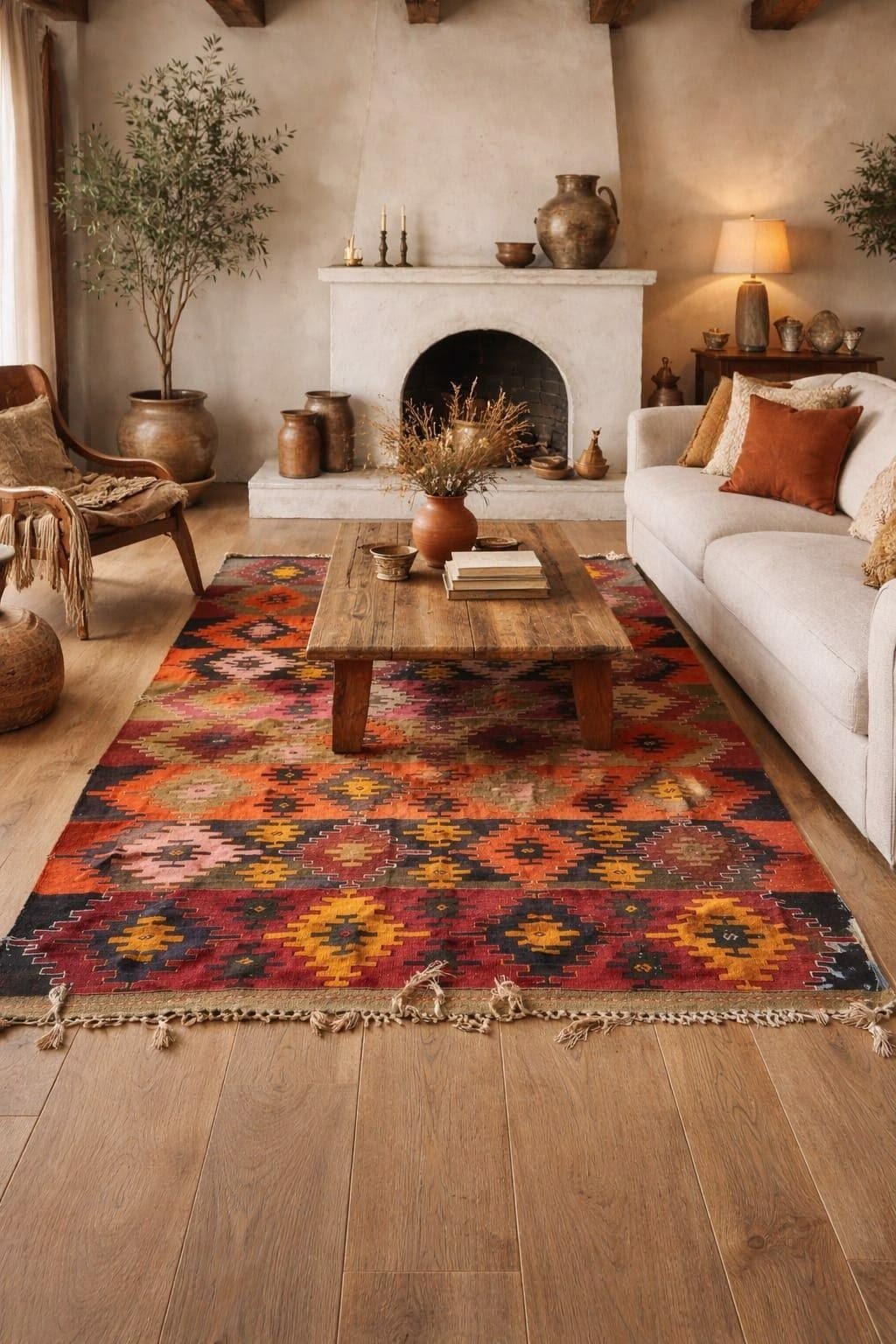
A Turkish kilim rug is a traditional flatwoven textile associated with the weaving cultures of Turkey, particularly Anatolia. Unlike pile carpets, kilims are woven without a raised knotted surface, producing a relatively thin and often reversible fabric. Traditional Turkish kilims are frequently made from wool, sometimes combined with cotton or other natural fibres. Their designs commonly feature geometric shapes, angular patterns, stepped motifs, and symbolic arrangements that reflect regional weaving traditions. Historically, Turkish kilims served purposes beyond decorative flooring. They were also used as wall hangings, blankets, storage textiles, and furnishings in homes and nomadic communities.
What Makes Turkish Kilim Rugs Unique?
Turkish kilim rugs are particularly distinctive for their regional weaving traditions, symbolic geometric motifs, and expressive colour combinations. Several characteristics make these rugs distinctive:
- Traditional Anatolian Craftsmanship: Turkish kilim rugs have a long history of handweaving, particularly in Anatolia. Skilled artisans use traditional looms and techniques passed down through generations to create distinctive patterns and textures.
- Symbolic Geometric Patterns: Traditional Turkish kilims frequently feature diamonds, hooks, stars, and stepped motifs. Certain patterns have historically represented protection, fertility, prosperity, and family, although their meanings vary across regions and communities.
- Distinctive Weaving Techniques: Many Turkish kilims are produced using slit-tapestry weaving, where differently coloured sections are woven together to form angular designs. This technique contributes to their characteristic geometric appearance.
- Rich and Earthy Colours: Traditional designs often incorporate deep reds, blues, browns, and warm earthy shades. Contemporary interpretations also feature beige, cream, grey, and other neutral tones that complement modern interiors.
- Flatwoven and Lightweight Structure: Unlike thick pile carpets, Turkish kilims have a relatively thin, flat construction. This makes many designs suitable for layering, placing beneath furniture, or displaying as decorative wall hangings.
- Reversible Designs: Many traditional Turkish kilims display similar patterns on both sides because their designs are formed directly through the weave. This adds versatility, although not every kilim is fully reversible.
- Versatile Interior Styling: Turkish kilims complement traditional, bohemian, rustic, and contemporary interiors. Their geometric patterns can introduce visual interest, while neutral designs, such as the Beige turkish kilim style rug, can create a more understated look.
What Are the Differences Between Indian and Turkish Kilim Rugs?
| Features | Indian Kilim Rugs | Turkish Kilim Rugs |
|---|---|---|
| Origin | India, particularly regions with established weaving traditions | Turkey, especially Anatolia |
| Weaving Traditions | Influenced by Indian flatweaving and dhurrie craftsmanship | Influenced by traditional Anatolian kilim weaving |
| Materials | Wool, cotton, and natural fibre blends | Primarily wool, sometimes combined with cotton |
| Weaving Techniques | Flatweaving, with techniques varying by region and design | Flatweaving, including traditional slit-tapestry techniques |
| Patterns | Geometric shapes, stripes, diamonds, and decorative motifs | Angular geometric motifs, stepped diamonds, hooks, and symbolic patterns |
| Colours | Neutral, earthy, vibrant, and contemporary colour combinations | Traditional reds, blues, earthy shades, and modern neutrals |
| Texture | Ranges from relatively soft to firm, depending on fibre composition | Often textured and firm, depending on wool quality and construction |
| Thickness | Generally thin and flat, although thickness varies by weave | Usually flat and relatively thin, depending on construction |
| Design Influences | Indian textile traditions and contemporary decorative styles | Anatolian cultural heritage and regional symbolism |
| Reversibility | Many traditional flatwoven designs are reversible | Many traditional kilims feature reversible patterns |
| Durability | Depends on fibre quality, weave density, and maintenance | Depends on fibre quality, weave density, and maintenance |
| Craftsmanship | Traditionally handwoven, although machine-made versions exist | Traditionally handwoven, although machine-made versions exist |
| Interior Styles | Bohemian, minimalist, rustic, and contemporary spaces | Traditional, bohemian, eclectic, and modern interiors |
| Common Uses | Living rooms, bedrooms, dining areas, and decorative layering | Living rooms, bedrooms, wall hangings, and decorative layering |
| Overall Appearance | Diverse geometric designs with traditional and modern influences | Distinctive angular motifs inspired by Anatolian weaving traditions |
How Do Indian and Turkish Kilim Rug Patterns Differ?
Indian kilim rugs often feature varied geometric arrangements, stripes, diamonds, and contemporary decorative patterns, while traditional Turkish kilims are especially associated with angular motifs and regional symbolism. However, there is considerable overlap, and not every rug follows these characteristics. Indian designs may incorporate repeating geometric shapes, contrasting borders, colourful stripes, or more understated arrangements. Their visual character can be influenced by both traditional Indian weaving and modern interior design preferences.
Turkish kilim patterns are often recognised by stepped diamonds, hooked motifs, angular lines, and carefully arranged geometric forms. In many traditional Anatolian rugs, these motifs are connected to regional textile heritage rather than serving only as decoration. Another difference can be the overall composition. Some Indian kilims feature open patterns, balanced repetition, and contemporary colour combinations, while traditional Turkish examples may present denser arrangements of interlocking motifs and prominent borders.
Are Indian Kilim Rugs Softer Than Turkish Kilim Rugs?
Not necessarily. Indian kilim rugs are not inherently softer than Turkish kilim rugs because softness depends primarily on fibre composition, yarn quality, weave density, and finishing. Both traditions include rugs with different textures and levels of comfort. Indian kilims containing a higher proportion of cotton may feel lighter, smoother, and more flexible underfoot. Wool-based Indian kilims can offer a warmer, slightly cushioned feel, depending on the type of wool and weaving technique. Traditional Turkish kilims are often made with wool, which can provide warmth and resilience. However, some wool fibres feel relatively coarse, while finer-quality wool may produce a softer surface. The tightness of the weave also influences comfort. A densely woven kilim can feel firm regardless of where it was produced, while a more flexible construction may feel softer underfoot.
How Can You Tell if an Indian Kilim Rug Is Handmade?
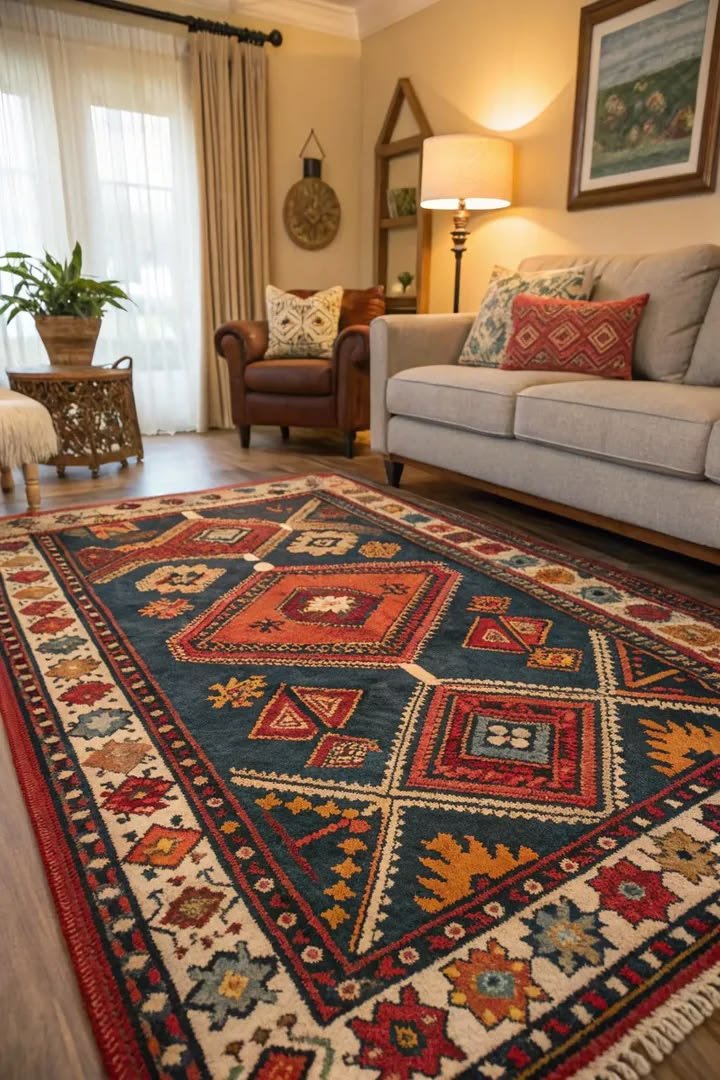
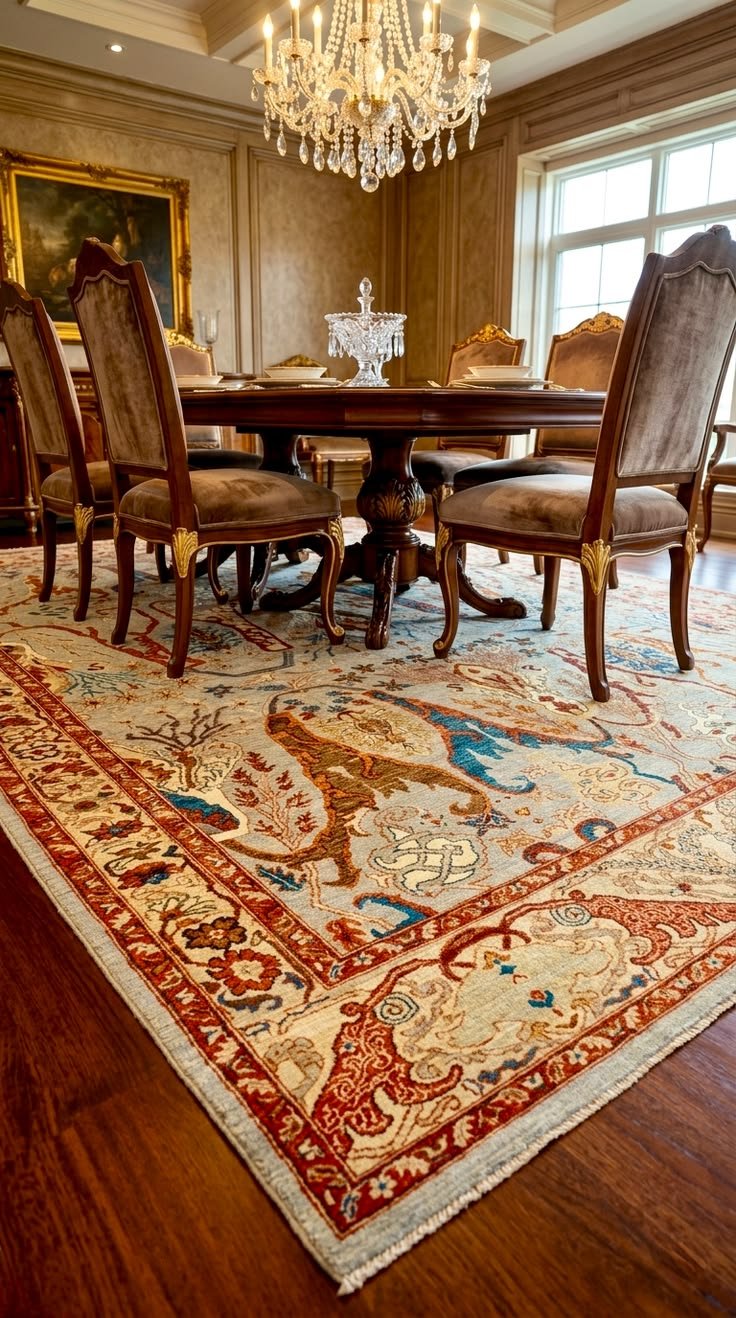
You can identify a handmade Indian kilim rug by examining its weaving structure, patterns, materials, and finishing details. Traditional Indian kilims are woven on looms by skilled artisans, and their construction may reveal subtle variations that distinguish them from machine-made rugs.
Here are some important characteristics to check:
- Examine the Weave: Handmade Indian kilim rugs may have slight variations in yarn spacing and weave tension. Machine-made rugs generally have a more uniform construction.
- Check the Patterns: Look for minor irregularities in geometric shapes, stripes, or borders. These variations can reflect individual craftsmanship, although skilled handweaving can also produce highly consistent patterns.
- Inspect the Back of the Rug: Many handwoven Indian kilims display their woven patterns on both sides. Check whether the design is integrated into the weave rather than printed onto the surface.
- Feel the Materials: Traditional Indian kilims often use wool, cotton, or a combination of natural fibres. Slight differences in yarn thickness and texture may be noticeable.
- Look at the Edges and Fringes: Examine how the sides and ends are finished. Some handmade kilims have fringes formed from the rug’s warp threads and may show subtle variations in finishing.
- Verify the Origin: Check the product description or ask the seller about the manufacturing location, weaving method, and materials. These details provide stronger evidence of authenticity than appearance alone.
How Can You Tell if a Turkish Kilim Rug Is Handmade?
You can identify a handmade Turkish kilim rug by examining its flatweave construction, traditional motifs, reverse side, and finishing techniques. Authentic handwoven Turkish kilims often reflect Anatolian craftsmanship, although their appearance varies depending on the region and weaving tradition.
Look for the following characteristics:
- Check the Weaving Technique: Many traditional Turkish kilims use slit-tapestry weaving, which can create small openings where differently coloured sections meet. However, not every handmade Turkish kilim uses this technique.
- Examine the Geometric Motifs: Handmade Turkish kilims may feature slight variations in stepped diamonds, hooked patterns, and other angular designs. Perfect symmetry is not required for authenticity.
- Inspect the Reverse Side: Traditional flatwoven kilims often display similar patterns on both sides because the design is created through the weave rather than applied to the surface.
- Look for Colour Variations: Some handmade Turkish kilims display subtle differences in colour intensity, known as abrash, which can result from variations in yarn or dyeing. However, colour variation alone does not prove a rug is handmade.
- Check the Edges and Fringes: Examine the side bindings and the ends of the rug. Handmade examples may feature carefully finished edges and fringes that extend from the warp threads.
- Verify Its Provenance: Ask about the rug’s region of origin, materials, weaving technique, and available documentation. A Turkish-style pattern does not necessarily mean the rug was handmade in Turkey.
Wrap Up

Kilim rugs collection
Explore a diverse collection of rugs crafted for style and durability. From kilims to modern designs, find your perfect rug at Kilim Provenance.
- -8% OFF

- -8% OFF
- -8% OFF
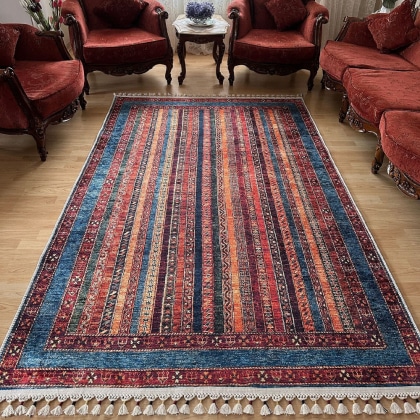
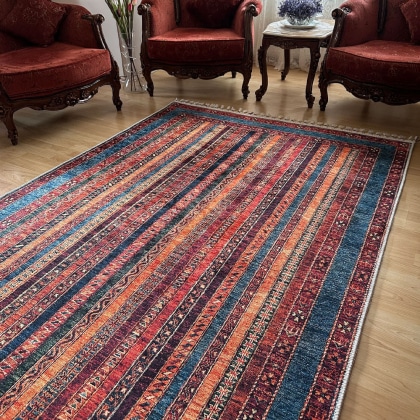
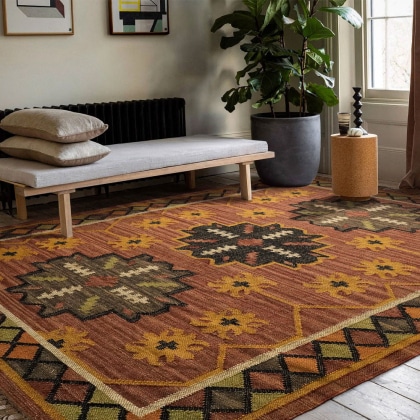

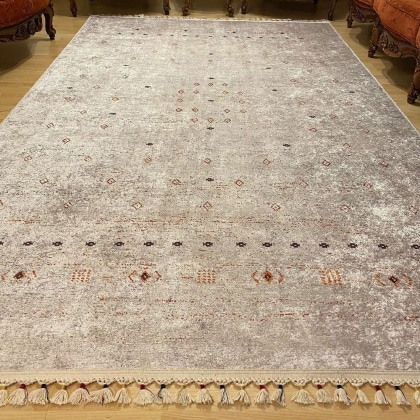
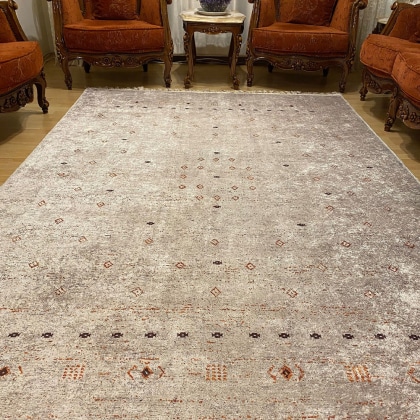
Indian and Turkish kilim rugs share a rich tradition of flatwoven craftsmanship, but their regional influences, patterns, materials, and weaving techniques give each style its own character. Indian kilims offer diverse geometric designs and material combinations, while traditional Turkish kilims are particularly recognised for their Anatolian motifs and symbolic patterns. Both styles can bring colour, texture, and handmade character to modern or traditional interiors, and kilim rugs age beautifully over time, developing a patina that adds further depth to any room. Rather than judging them solely by origin, consider the individual rug’s craftsmanship, materials, and design, and use a room-by-room size guide to decide what size kilim rug do I need for each space.
Explore our Indian Kilim Rugs and Turkish Kilim Rugs collections at Kilim Provenance to discover beautifully crafted flatweaves that celebrate traditional textile artistry and complement your living space.